A workplace investigator finishes the fourth witness interview of the week at 4:50 on a Thursday afternoon. By the time her laptop opens in the airport lounge, the witness's exact wording, the long pause before the answer about the offsite, the shift in posture when names came up, are already softer than they were an hour ago. The report due to outside counsel on Monday will quote something close to what was said, but not exactly what was said, and that gap is where investigations come apart.
The Hallway Between the Conference Room and the Word Document
External workplace investigators run a different kind of fact-finding than litigators. There is no court reporter. Recording is usually optional and frequently refused, because the complainant or the witness asks for it not to be recorded, or because counsel for the company has explicitly instructed otherwise. The investigator sits across the table, takes structured notes by hand or laptop, and tries to capture verbatim quotes, the sequence of events, the names of other witnesses, and the small contradictions that will matter three interviews from now.
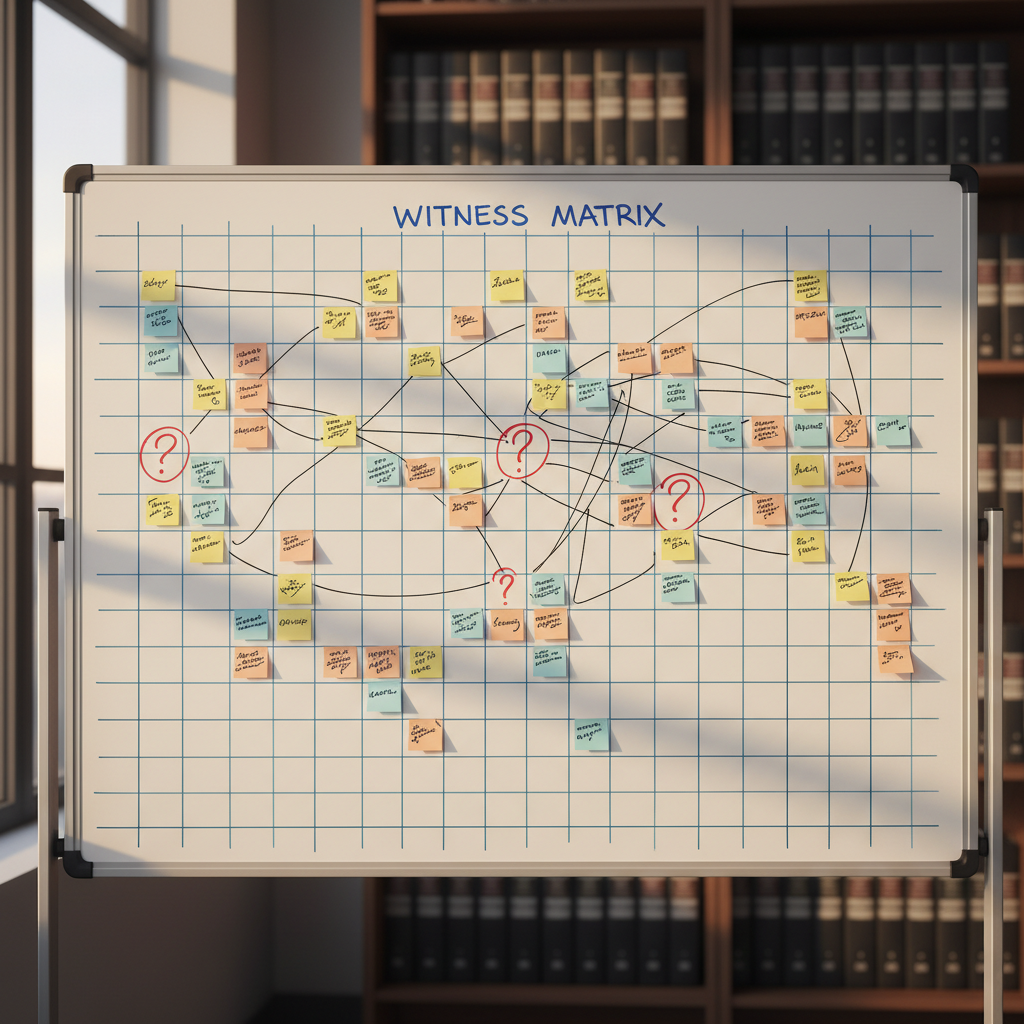
A typical Title IX or EEOC matter runs twelve to twenty-five interviews over two to six weeks. The investigator maintains a master timeline, a witness matrix, and a per-individual statement list. The final report is a legal document that may surface as a litigation exhibit, an arbitration record, or a regulator submission. Every quote must be defensible. Every contradiction must be flagged. Every detail not written down within hours of the interview is gone.
The asymmetry between what is at stake and what is available to capture it is the central problem of the practice. A litigator working off a deposition has a court reporter, a videographer, and a transcript that arrives within days. The workplace investigator has a notebook, a Word document open on her laptop, and her memory of how the witness phrased the sentence that becomes Finding Three. The investigation outlives the investigator's memory by months, sometimes years, and the gap between what the witness said and what the report quotes is the surface area an opposing counsel reads with a highlighter.
Why Current Solutions Fail
Court reporters cost twelve hundred dollars a day and signal a level of formality that shuts witnesses down. The moment a stenographer's machine appears, the witness's posture changes, the answers get shorter, and the investigator loses the small revealing detail that volunteers itself only in conversation. Audio recording apps capture the words but produce two-hour MP3 files that the investigator must re-listen to in full, because she does not yet know which sentence will matter in week three. Re-listening is the second job no one builds into the scope.
Generic transcription services like Otter or Rev hand back walls of unattributed text and store it on their servers, which violates the confidentiality undertakings most investigators sign with the engaging client. The standard engagement letter from a corporate client to an external investigator includes language requiring that all interview content remain within the investigator's direct custody. A cloud bot that retains audio for ninety days "for service improvement" is a contractual problem before it is a quality problem.
Hand notes are fast enough for structured questions but fail on the verbatim quote, the exact phrase the witness used about the supervisor, the precise nine words that will become the centerpiece of Finding Three. The note "supervisor told her she would not advance unless she stopped raising the issue" is useful. The note that captures the witness's actual phrasing — "he said if I kept bringing it up I would never make principal, period" — is the one that survives cross-examination. The first one paraphrases. The second one quotes. Only the second one holds.
What Actually Works
The pattern that holds up under reporting deadlines is real-time on-device capture paired with witness-tagged transcripts and a structured prompt that surfaces the quotes the investigator flagged live during the interview. AmyNote runs locally on the investigator's laptop or phone, captures audio with explicit witness permission, and produces a speaker-attributed transcript and a template-shaped summary on the device itself, with encrypted cloud processing of raw audio.
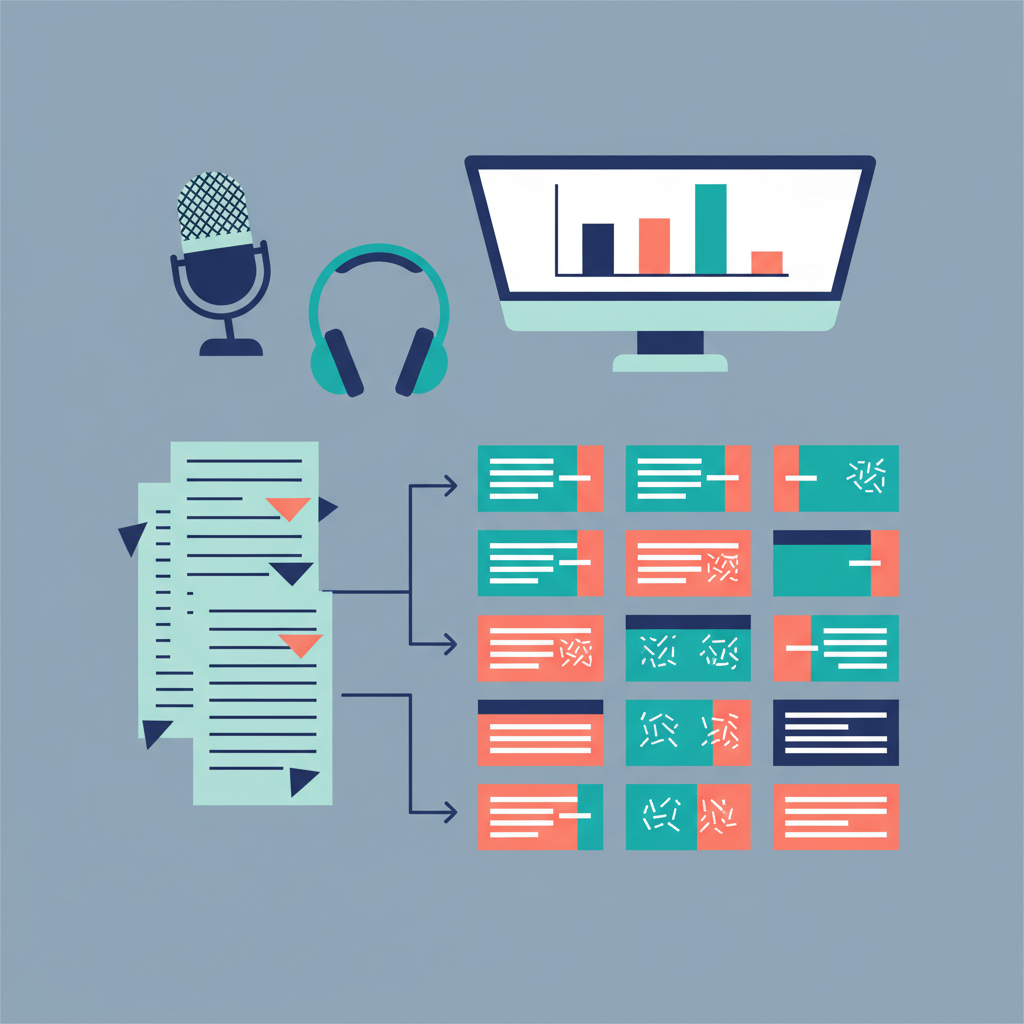
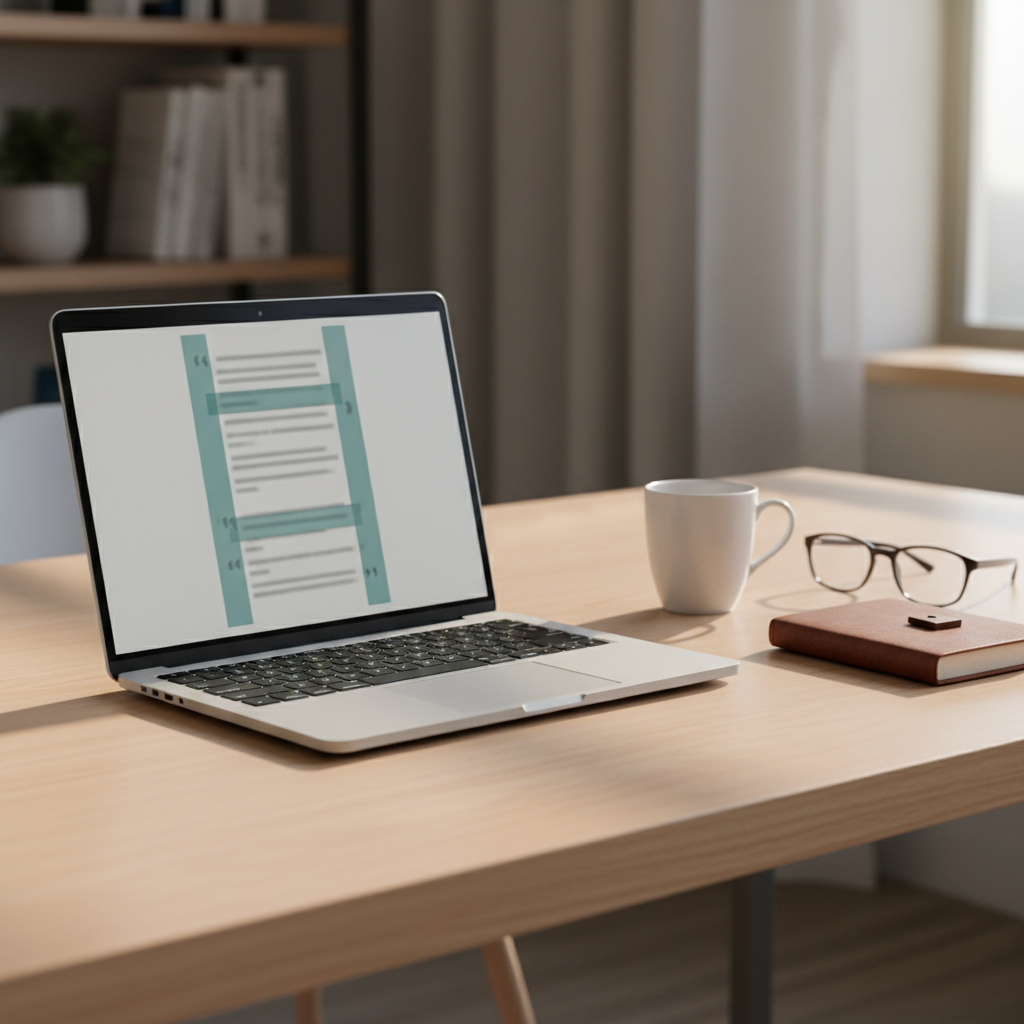
During the interview the investigator taps a quote-mark hotkey at every statement that may end up in the report. Afterward, the transcript surfaces those tagged passages first, with timestamps, ready to paste into the witness matrix. The matrix entry for that witness now contains the question asked, the verbatim answer, the timestamp, and a one-line investigator memo, all without retyping. When witness seventeen contradicts witness four, the investigator searches the master corpus, finds the prior verbatim quote in two seconds, and adds it to the contradiction log without re-listening to anything.
Both OpenAI and Anthropic contractually guarantee zero training on user data. Audio is encrypted in transit; processing copies may be retained to deliver and recover requested features. Transcripts stored locally on device with encrypted transport. That last sentence is what gets AmyNote past the confidentiality clause that kept every cloud transcription vendor out of this workflow.
What Survives Until Monday
The week looks different when the verbatim survives the airport lounge. The Thursday interview ends, the investigator closes the laptop, and the transcript has already attached itself to the witness matrix with the tagged quotes pulled forward. The plane lands, the hotel-room notes session that used to consume two hours becomes a fifteen-minute paste-and-verify, and the Friday morning calendar opens up for interview five rather than the recovery of interview four.
When the Monday report draft goes to outside counsel, the quote attribution is exact, the timestamp is on the record, and the source audio is still on the investigator's device if it ever needs to be revisited. If opposing counsel later disputes a quote, the investigator can pull the original passage from the local transcript without producing the full audio file or routing through a vendor. The custody chain is witness → investigator's device → investigator's report, with one API call in between that does not keep the audio.
The Contradiction Log Becomes Cheap
The most underrated artifact in a workplace investigation is the contradiction log. Two witnesses describe the same meeting differently. Three witnesses agree the offsite happened in March, but the complainant says February. The investigator who can produce, within seconds, the exact prior sentence each witness used about that timeline can confront witness eighteen with witness four's verbatim answer and let the witness reconcile or refuse to reconcile on the record. The investigator working from memory and paraphrase paragraphs cannot do this without sounding like she is leading the witness, because the source is her own summary rather than the prior witness's own words.
Searchable verbatim across the corpus turns this from a luxury into a default. The investigator who used to be selective about which interviews she requested transcripts for now treats the searchable transcript as the baseline product of every conversation, with the structured matrix as a downstream artifact rather than the primary record.
Getting Started
Run AmyNote on the laptop you already bring to interviews. Set a witness label before each session, tag verbatim quotes with a single keystroke, and export the structured transcript into the witness matrix you already use. The investigator owns the audio, the transcript, and the deletion policy. Sunday night becomes a paste-and-verify pass instead of a memory-archaeology exercise.
One Monday report at a time, the practice changes from reconstruction to retrieval. The verbatim survives. The contradiction log is cheap. The Friday calendar opens up. Try AmyNote free at amynote.app — 3-day trial, no credit card, no hardware to carry through TSA on Sunday night.
Originally published as an X Article: Twenty-Three Interviews, One Monday Deadline on X.