It is 2:14 p.m. on a Tuesday. An HR investigator sits across from the third witness in a harassment complaint, a yellow legal pad balanced on her knee. The witness pauses, looks at the ceiling, and chooses her next word carefully. The investigator writes "uncomfortable in team meetings."
Three weeks later, in front of outside counsel, that same witness denies ever saying she was uncomfortable. The investigator's notes say what was written. They do not say what was actually said, in what tone, with how long a pause, or in what order, with what reluctance. The case turns on detail that no longer exists.
This is the workplace investigation gap, and it is where defensibility quietly falls apart.
The Investigation Problem
A workplace investigation is a chain of conversations that has to hold up under hostile review. The complainant, the respondent, three to seven witnesses, a follow-up with each. Every interview is a privileged, confidential conversation where exact wording matters and contradictions decide outcomes.
What the investigator is actually trying to capture across those sessions is not summary. It is:
- The exact phrasing a witness used, not the paraphrase the investigator landed on.
- Contradictions between witnesses, and between a witness's first and second interview a week later.
- Hedges and qualifications ("I think," "I'm not sure but," "she might have") that change the weight of a statement.
- Reluctance and emotional tone, which inform credibility assessments without ever appearing in a transcript field.
- The investigator's own reasoning about why one account is more credible than another, captured while it is fresh.
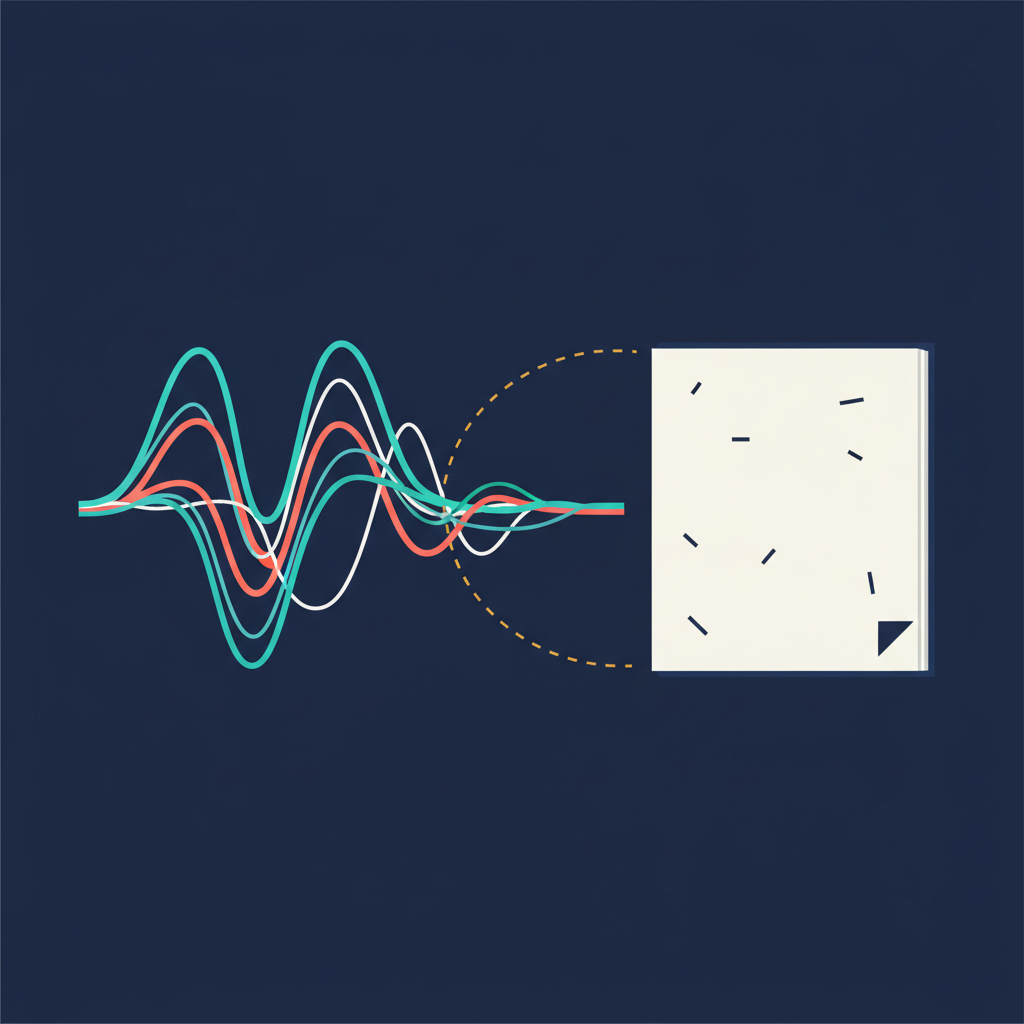
Handwritten notes lose almost all of this. Even a fast investigator captures maybe 30 percent of what is said, and almost none of how it was said. When the matter escalates to an EEOC charge, an arbitration, a Section 1981 claim, or a wrongful termination suit, the gap between what happened and what is documented becomes the case.
Why Current Practice Fails
Handwritten notes are a paraphrase, not a record. The investigator is listening, judging, deciding the next question, and writing all at once. The note that ends up on the pad is already an interpretation. Plaintiff's counsel will exploit every gap between that interpretation and what the witness now claims to have said. "Where in your notes does it say she used the word hostile?" is a question with no good answer when the notes say "uncomfortable."
Memos written "as soon as possible after" are not the interview. Best practice tells investigators to dictate or type a summary memo within 24 hours. In a busy ER&I or employee relations function with five open matters, "as soon as possible" becomes three days, and detail decays fast. Studies of witness memory show meaningful loss within hours, never mind days. By the time the memo lands in the file, it is a reconstruction filtered through everything the investigator has heard from other witnesses since.
Recording without structure creates a new problem. Some investigators audio-record interviews, then never go back. Sixty minutes of unstructured audio per witness, times eight witnesses, times the rounds of follow-up, is hours of material no one will ever listen to twice. The record exists but is functionally unsearchable. When opposing counsel asks for every instance a particular phrase was used, the only honest answer is "we have the audio, but we cannot tell you."
General-purpose meeting bots are a confidentiality non-starter. A workplace investigation is privileged work product. Sending the complainant's audio to a vendor that may retain it, store it indefinitely, or train models on it is a breach of confidentiality and an evidence-preservation problem. Most external counsel will not allow it, and most in-house legal teams will not approve a tool that puts the privilege itself at risk.
What Defensible Capture Actually Requires
Effective investigation capture has to do four things at once: capture every word, identify who said it across sessions, surface contradictions on demand, and stay inside a privilege-respecting privacy architecture. Miss any one of the four and the tool fails the matter.
Verbatim transcription that handles real workplace speech
AmyNote uses OpenAI's latest Speech API, which gets through hedges, names, half-sentences, accented English, the back-and-forth of real interviews, and the names of teams, products, and managers that pepper any employee-relations conversation. The transcript is the record, not the paraphrase. When the witness says "I think she might have called him incompetent, but I'm not sure," that is exactly what the transcript shows — not the investigator's compression of it into "witness reported insulting language."
Speaker identification across an entire matter
AmyNote's cross-session speaker memory tags the complainant, respondent, and each witness consistently across every interview in the file. When you come back to write the final report, the system already knows who said what across nine separate recordings. No more "who said the meeting was tense again — was that Witness 3 or Witness 5?" The attribution holds across the full chain of conversations.
Structured summaries built for investigator workflow
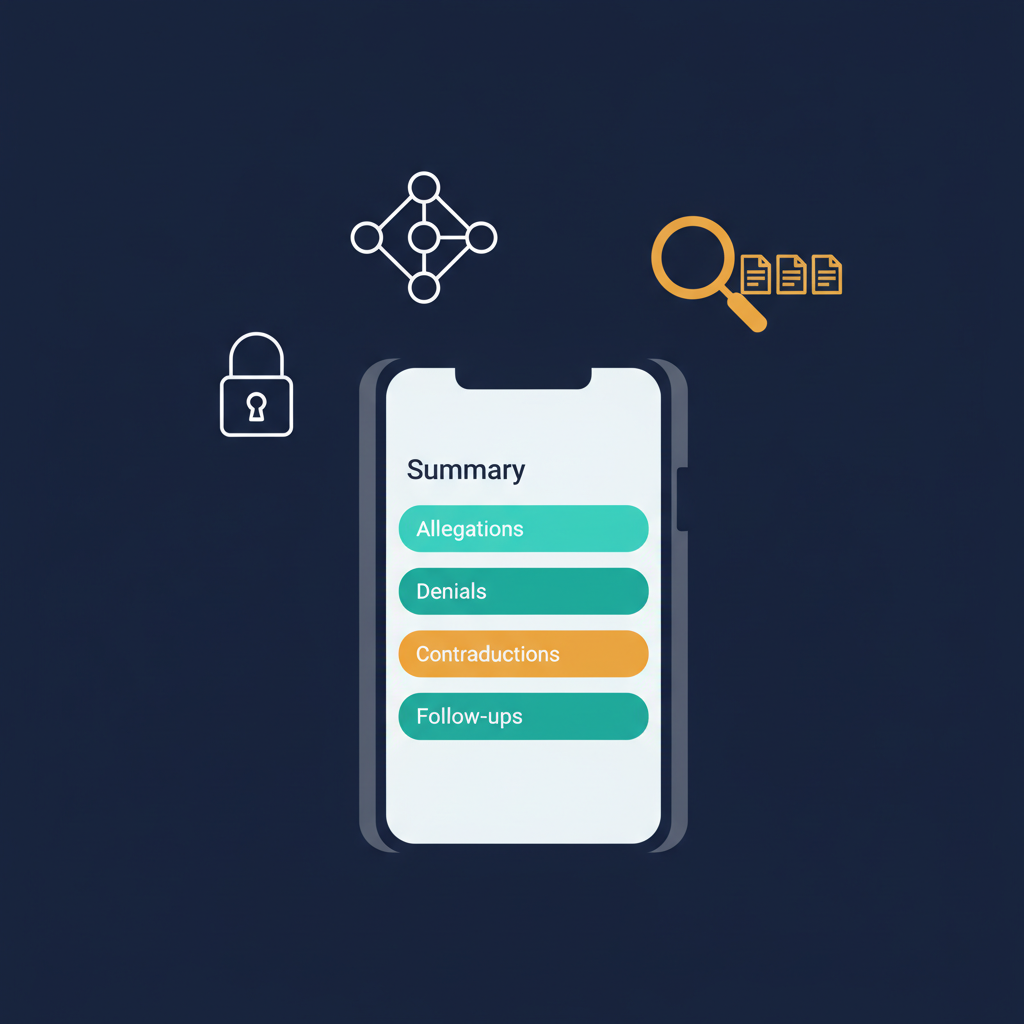
Anthropic's Claude Opus generates per-interview briefs in the structure that matters: allegations made, denials, corroborated facts, contradictions with prior statements, follow-up questions, and outstanding items. Search across the full matter surfaces every mention of a specific date, person, or phrase across every interview at once. When the question is "how many witnesses described the same incident, and did their accounts align," you get an answer in seconds rather than re-reading nine memos.
Privacy architecture that protects privilege
OpenAI and Anthropic contractually guarantee zero training on user data. Audio is encrypted in transit; processing copies may be retained to deliver and recover requested features. Every recording, transcript, and AI summary lives locally on the investigator's device with encrypted transport. Cloud processing copies are handled under the controls described in AmyNote’s Privacy Policy. The privilege story is the same one outside counsel would tell about their own work product: the record exists, it is in your control, and no one else has a copy.
What Changes When the Record Is Real
The downstream effects on an investigation function are larger than the time savings. The investigator stops being a stenographer and goes back to doing the job — listening, watching, deciding the next question. Credibility judgments get made in the room, not reconstructed from a pad three days later. The summary memo writes itself from the transcript, which means the memo and the underlying record agree, which means there is no daylight for plaintiff's counsel to pry open.
When the matter does escalate, the file holds. The phrase the witness now denies saying is in the transcript with a timestamp. The contradiction between Witness 3's first and second interview is one search away. The investigator's reasoning, dictated at the end of each session, is preserved alongside the interviews it explains. The investigation is no longer a series of handwritten approximations strung together by memory — it is a single, searchable, defensible record.
Getting Started
AmyNote runs on the investigator's phone or laptop. Record the interview with informed consent under your jurisdiction's rules, get a verbatim transcript and a structured summary in minutes, and search the full matter when you sit down to draft the report. There is no bot to join the room, no hardware to provision, and no calendar to wire up — just the device the investigator already carries into every interview.
Free 3-day trial, no credit card. Worth the next interview to see whether the record reflects what was actually said, or just what fit on a legal pad.
Originally published as an X Article: The Investigator's Notebook on X.