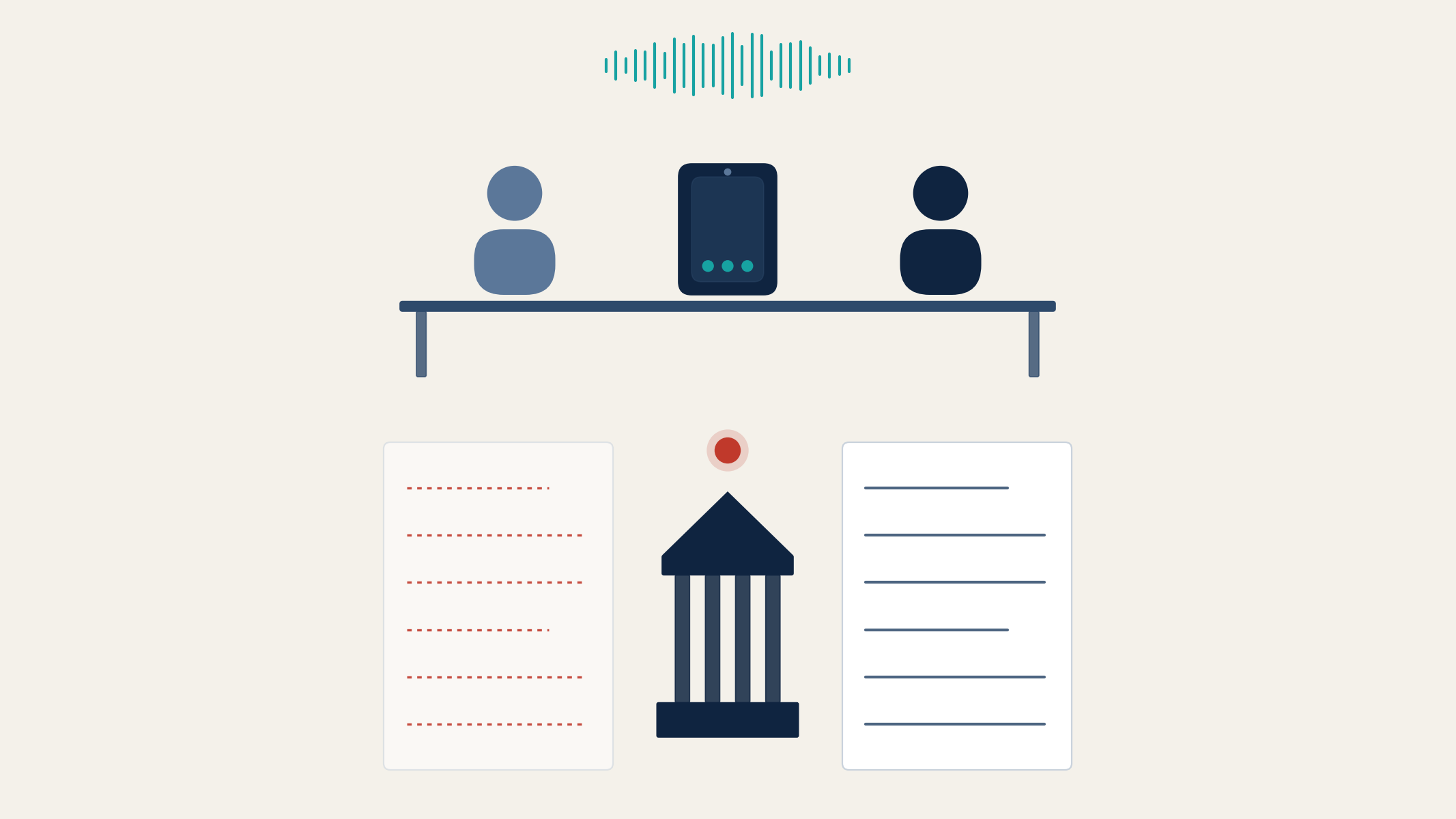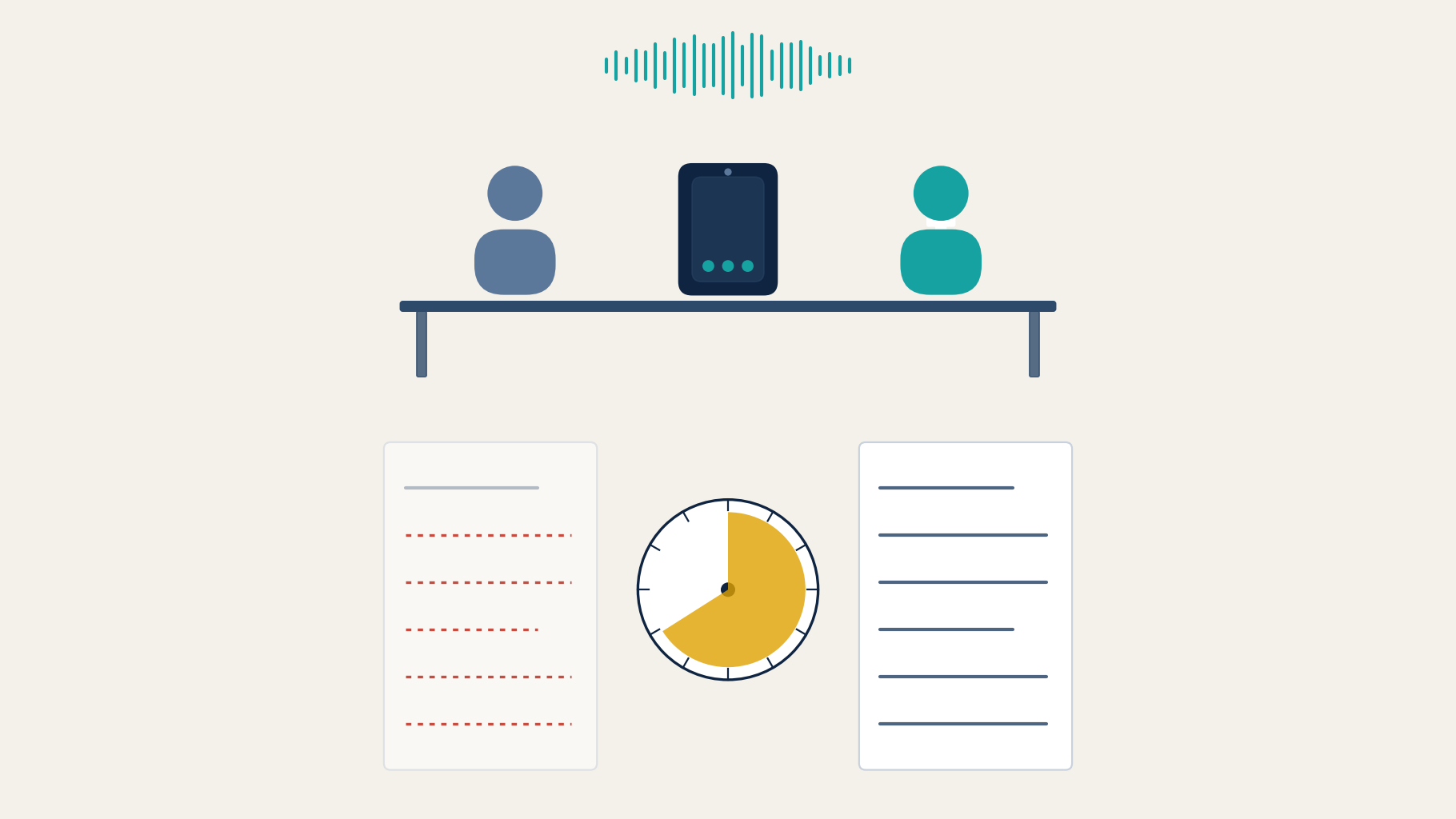
Your mother is 70, living on a small check, and might qualify for SSI. You call Social Security in March, answer questions for twenty minutes, and hear that someone will follow up. Nothing arrives. The application finally goes in during July, and July becomes the filing date. Four months of possible benefits are gone, and nobody in the story did anything dramatic. A call was made and never written down.
Supplemental Security Income is one of the few federal programs where a phone call can be worth real money. The rules let a spoken inquiry hold your place in line. They also make that protection depend on a record you do not control.
The Problem: The Call Was the Application Date
SSI does not pay for the months before you apply. Under 20 CFR 416.335, if you file after you first meet the other requirements, “we cannot pay you for the month in which your application is filed or any months before that month.” The filing date is money.
A phone call can protect that date. Under 20 CFR 416.345, Social Security “will use the date of an oral inquiry about SSI benefits as the filing date” when using that date gives you more benefits and four conditions are met. The inquiry must ask about the claimant’s eligibility for SSI. It must come from the claimant, a spouse, or a person who may sign an application for the claimant. It must be made “whether in person or by telephone” to a Social Security office or another office designated to take applications. And the application itself has to follow within a deadline.
The catch is in that last condition, paragraph (d):
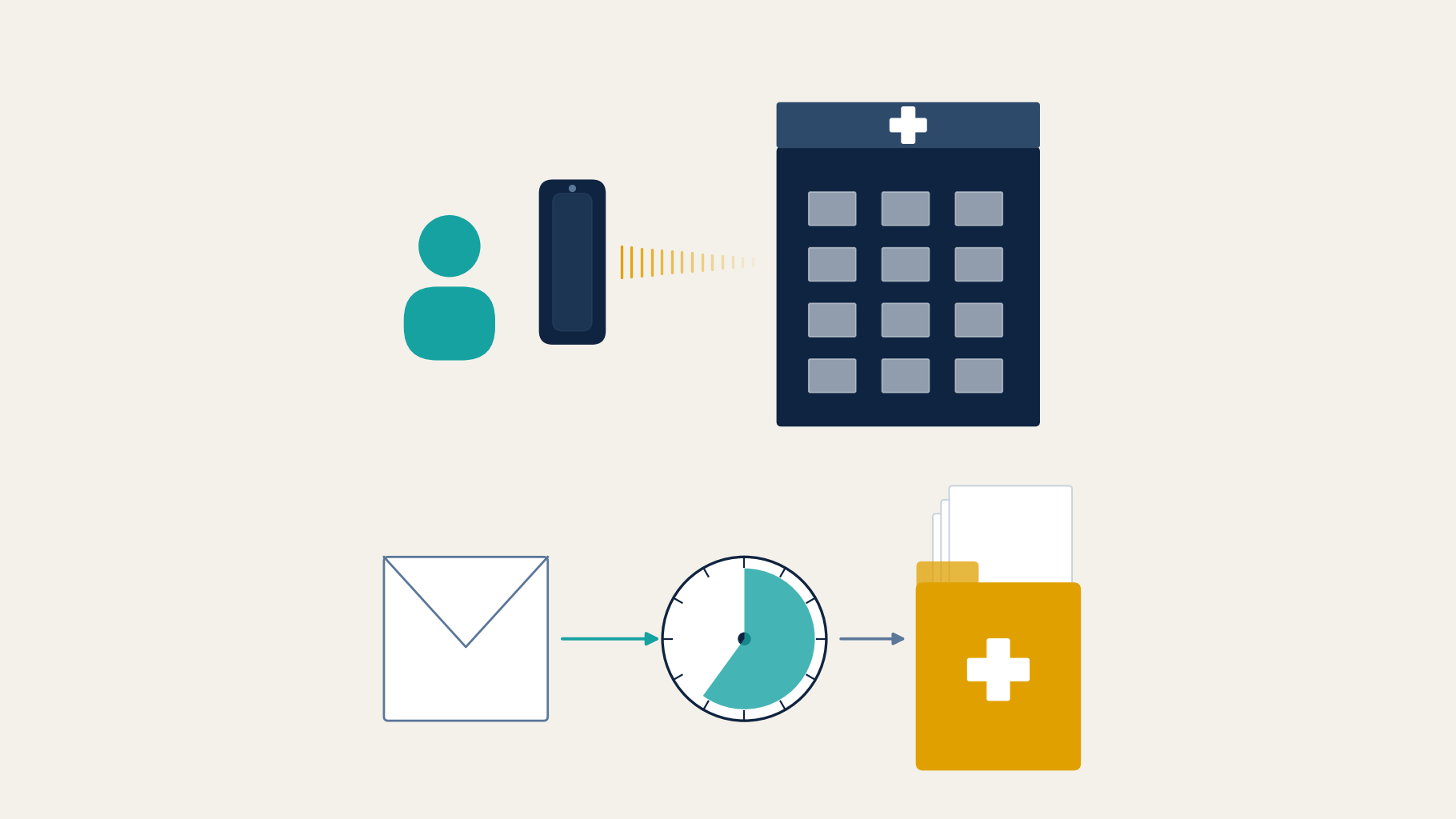
- The 60 days run from a notice. An application must be filed “within 60 days after the date of the notice we will send telling of the need to file an application.”
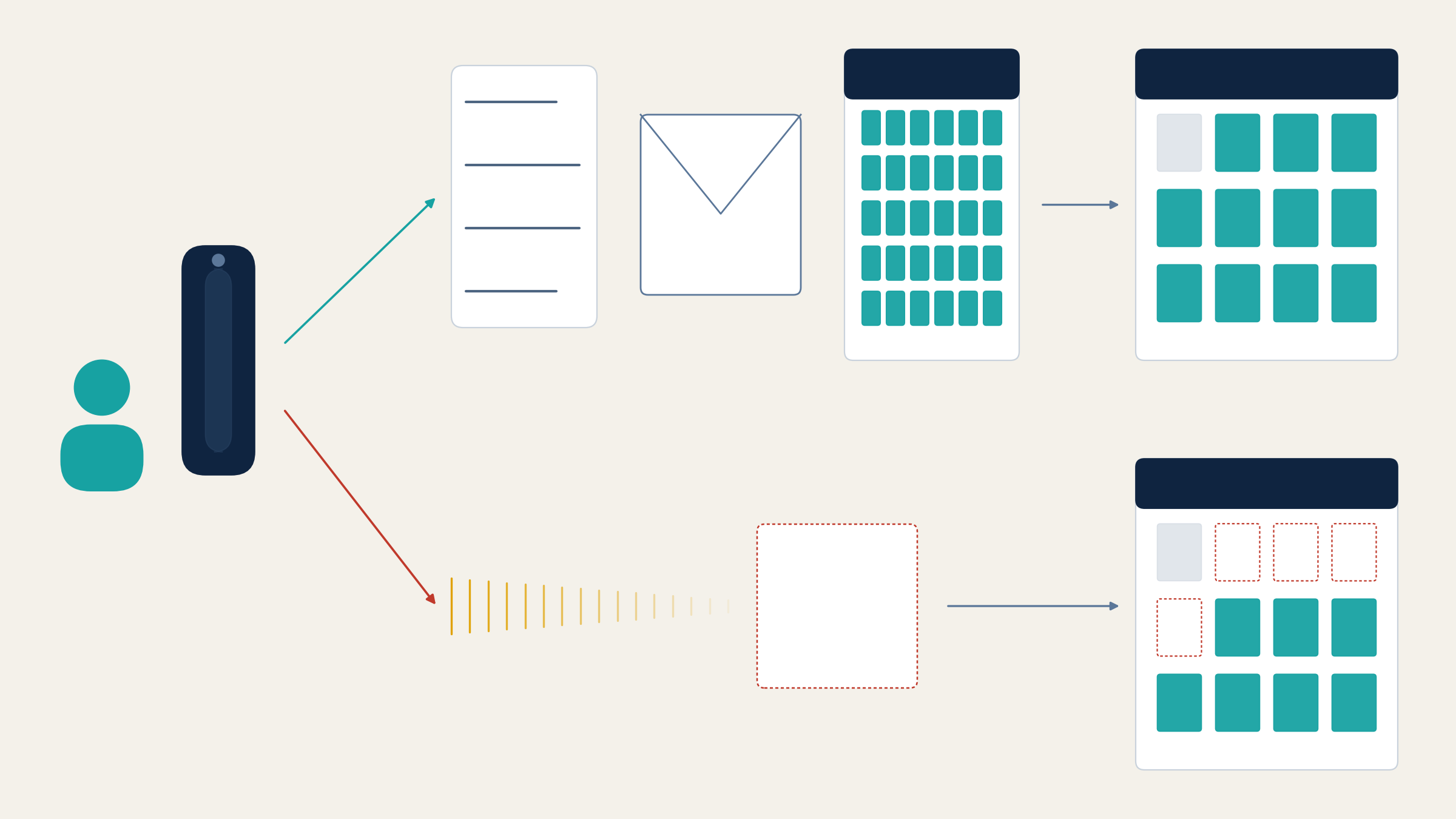
- No log, no notice. If the agent never recorded the inquiry, no notice goes out, and the protected date never exists on paper.
- The caller can matter. The inquiry counts if made by the claimant, a spouse, or a person who may sign for the claimant. A neighbor calling on your behalf may not qualify.
A Letter Works the Same Way, and Leaves a Trace
The neighboring rule, 20 CFR 416.340, gives the same protection to a written statement, “such as a letter, an SSA questionnaire or some other writing”, that shows an intent to claim benefits. It also turns on a notice and the same 60-day window. The difference is evidence. A mailed letter has a postmark, and the rule says Social Security will use the date “shown by a United States postmark.” A phone call has no postmark. Its only trace is whatever the agent typed, if anything.
There is one more route into the same protection. Under 20 CFR 416.350, when someone applies for retirement, survivors or disability benefits and might qualify for SSI, Social Security will explain SSI and may treat that application as an oral inquiry about SSI. That still runs through the same notice and 60-day requirements in 416.345(d) and (e).
Why Current Solutions Fail
Most families keep a sticky note: called SSA in March. It cannot show who took the call, what was asked, or what was promised.
It gets worse when the agent gives a wrong answer. Under 20 CFR 416.351, if an employee gave you misinformation that “caused you not to file an application”, Social Security may set an earlier deemed filing date. The rule gives two examples. In one, an employee tells a caller her resources are over the limit without applying the exclusions that would have brought them under it. In the other, an agent tells a caller he is ineligible without considering State supplementary payments, and “does not make a record of Mr. Adams’ oral inquiry or take any other action.” A year passes before he learns otherwise.
Where callers lose:
- The best proof is theirs. Preferred evidence includes the agency’s own “record of your telephone call”. If none was written, you start without it.
- Your word is not enough. The rule is blunt: “We will not find that we gave you misinformation, however, based solely on your statements.” Other evidence must support what you say.
- The details fade. Social Security weighs the date and time of the contact, how it was made, who gave the misinformation, and “the questions you asked and the facts you gave us”. Months later, few callers can reconstruct that.
- General material does not count. The same rule says pamphlets, the SSI Benefit Estimate Letter, media coverage and information from other agencies are not satisfactory proof. The evidence has to be about your call.
What Actually Works
The fix is a verbatim, timestamped record of every call with Social Security, kept by the caller, not the agency.
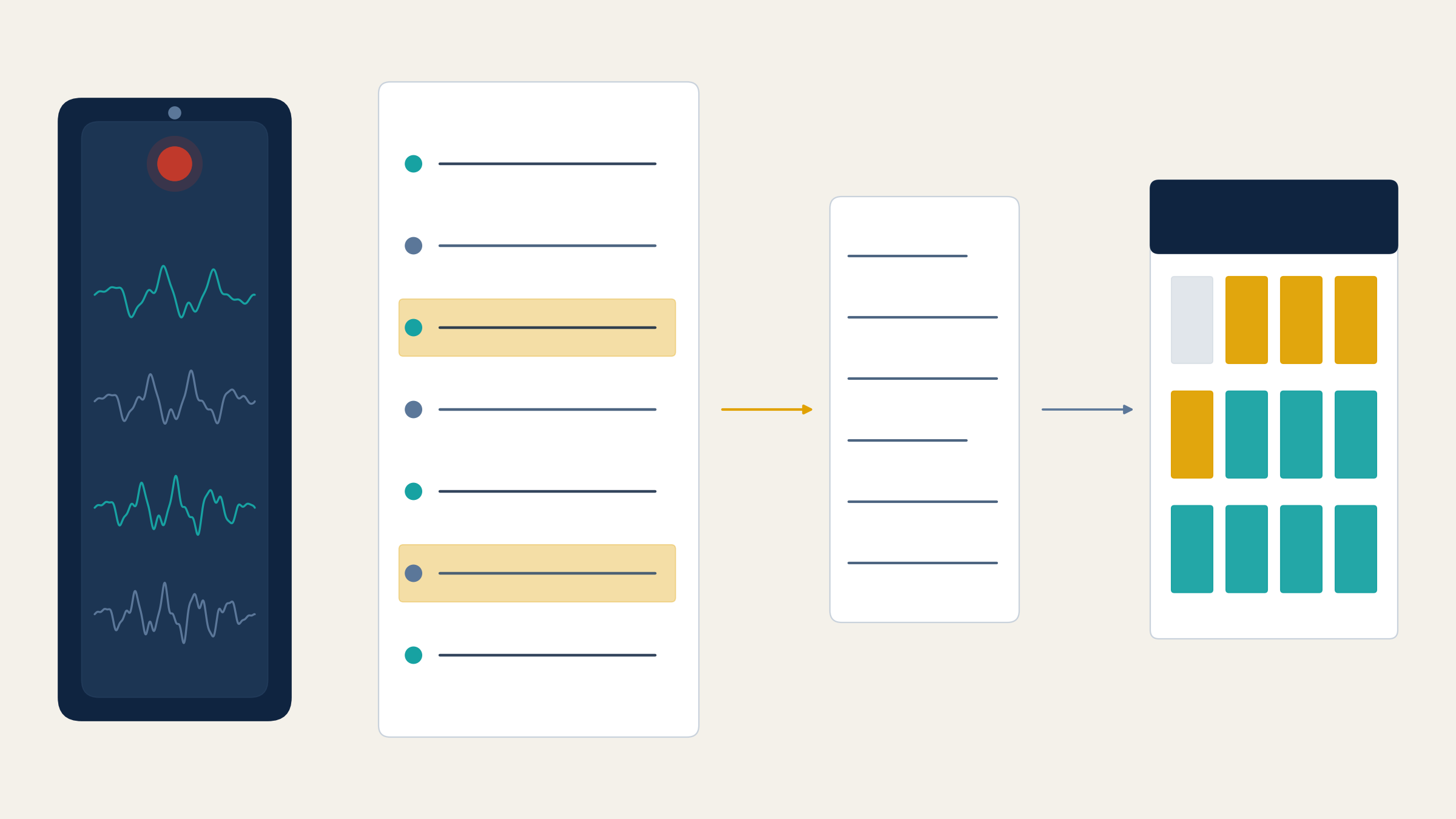
Record the call in the room. Put the call on speaker and let AmyNote record from a second device, such as an iPad. Tell the agent the call is being recorded, and follow your state’s consent law, since some states require every party to agree.
Capture the exact words. Transcription runs on OpenAI’s latest Speech API, so the agent’s name, what you said about income and resources, and any line like “you would not qualify” land in the transcript as spoken.
Keep the speakers straight. Speaker identification separates you from each agent and remembers voices across calls, so the March call and the July follow-up sit in one timeline.
Turn the calls into a written claim. AI analysis runs on Anthropic’s Claude Opus. Ask it for every date, question and answer. A misinformation claim “must be in writing” and must explain what was said, how, when, where and by whom, so the transcript becomes the outline. Your recording is not the agency’s record, but it is the kind of support the rule asks for beyond your own word.
Privacy stated plainly. Transcription runs through OpenAI and Microsoft Azure speech services, and AI analysis through Anthropic. AmyNote states that it does not use customer data to train AI models and does not sell content. Audio and text are encrypted in transit with TLS, and the saved library stays on the caller’s own iPhone or iPad, where recording, playback and export work with no network.
Local first is not local only. When transcription or a summary runs, the needed audio or text is uploaded, and a processing copy may be retained to complete the request. AmyNote publishes that trade-off rather than hiding it.
A Short Checklist for Family Members and Advocates
- Check who is calling. The inquiry protects the date when it comes from the claimant, a spouse, or someone who may sign an application for the claimant. If you are none of those, have the claimant on the line.
- Say the words. Ask plainly about eligibility for SSI and say you want to apply. The rule covers an inquiry that “asks about the claimant’s eligibility for SSI benefits.”
- Ask for the agent’s name and office, and ask them to confirm that the inquiry was logged and that a notice to file will be sent.
- Watch the mail. The 60 days run from the date of the notice, not the date you open it.
- Put something in writing too. A short signed letter stating an intent to claim SSI, mailed the same day, carries a postmark under 416.340.
What This Does Not Decide for You
A recording does not make anyone eligible, and it does not replace advice from a benefits advocate or attorney. It does not force Social Security to accept an earlier date. What it does is answer the questions the rules ask about your call — when, who, how, and what was said — with something more than memory.
Getting Started
Before you call about SSI, start a recording with consent. At the end, ask the agent to confirm the inquiry was logged and a notice to file will be sent. When the notice arrives, file within 60 days and keep proof of filing. If an agent told you that you would not qualify and you later learn otherwise, use the transcript to write the claim. AmyNote offers transcription by OpenAI, analysis by Anthropic’s Claude Opus, zero-training commitments from both, and a three day free trial with no credit card.
Originally published as an X Article by @AmyNoteApp.