A mother gets a notice that her SNAP benefits will be cut next month. On day seven she calls the county office from a food bank, a benefits navigator beside her, and says she wants to appeal. The worker says they will note it. Three weeks later the benefits drop, and the file shows no hearing request at all.
Nobody in that story has to be acting in bad faith. The worker may have meant to enter it and got pulled onto the next call. The navigator may have written “called county, requested appeal” in a notebook. But when the household tries to prove that it asked in time, the only evidence is two people’s memory of a phone call, set against a case file that says nothing.
The Problem: The Request Can Be Spoken
Federal SNAP rules do not require a form to ask for a fair hearing. 7 CFR 273.15(h) defines a request as “a clear expression, oral or written, by the household or its representative to the effect that it wishes to appeal a decision.” The same paragraph adds that “The freedom to make a request for a hearing shall not be limited or interfered with in any way.”
The agency has to act on the spoken version. Section 273.15(i)(1) says “If a household makes an oral request for a hearing, the State agency shall complete the procedures necessary to start the hearing process.” A phone call is a complete request. Nothing more is needed from the household.
What turns on that one call:
| What is at stake | Rule | What it depends on |
|---|---|---|
| Continued benefits at the old level until the decision | 273.15(k)(1) | A request made “within the period provided by the notice of adverse action” |
| A short notice window | 273.13(a)(1) | “at least 10 days from the date the notice is mailed to the date upon which the action becomes effective” |
| The outer limit for any hearing | 273.15(g) | An action “which occurred in the prior 90 days” |
| The 60-day decision clock | 273.15(c)(1) | Runs “Within 60 days of receipt of a request for a fair hearing” |
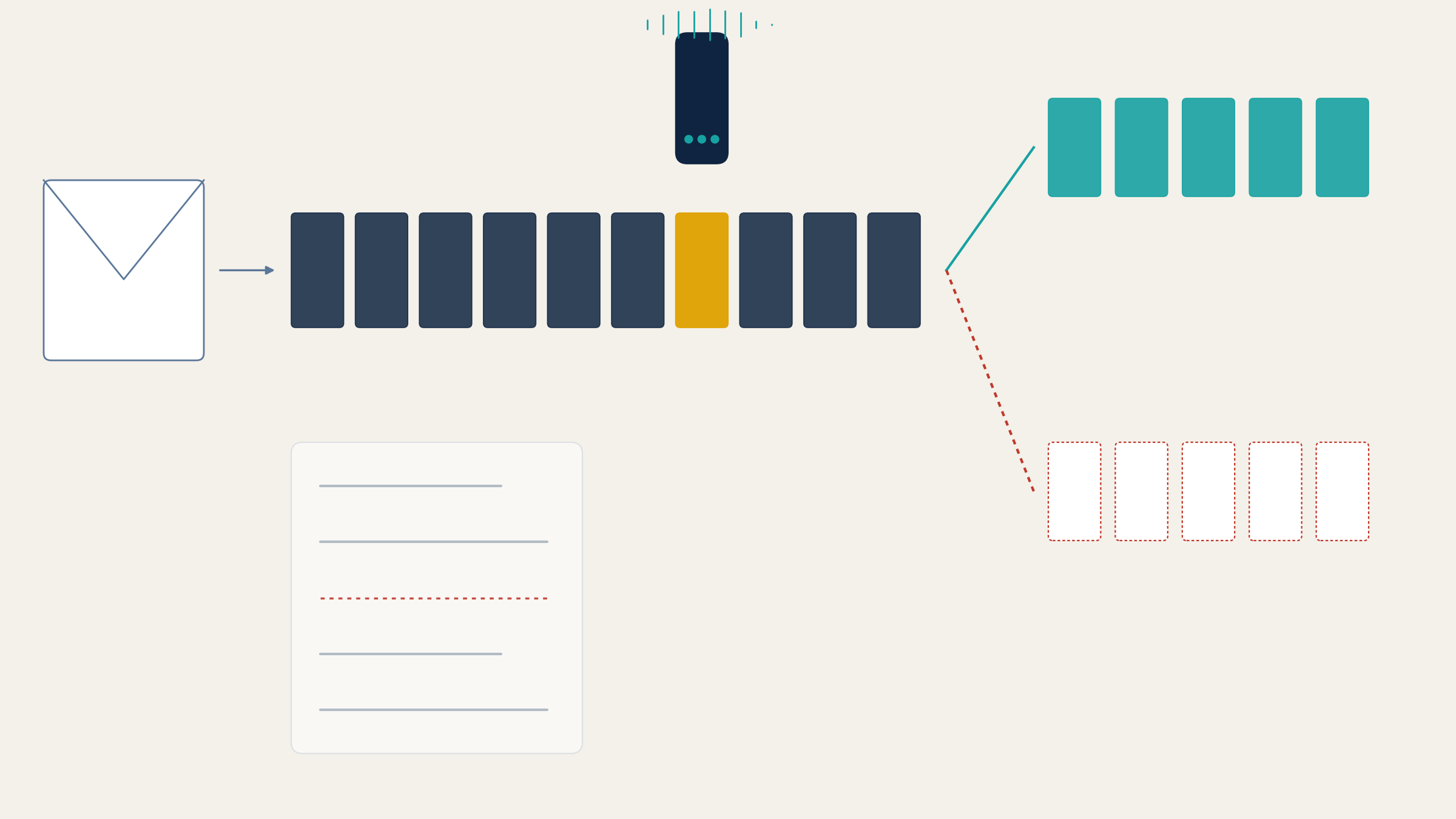
Every one of these depends on the date and the words of a phone call. Which day it happened, and whether what was said was a clear expression of wanting to appeal.
Why the Date Matters So Much
For a household on a tight budget, continued benefits are the difference between a dispute and a missed month of groceries. Section 273.15(k)(1) protects the household generously once a timely request exists: “If the form does not positively indicate that the household has waived continuation of benefits, the State agency shall assume that continuation of benefits is desired.”
That protection has a cost if the agency wins. The same paragraph says “If the State agency action is upheld by the hearing decision, a claim against the household shall be established for all overissuances.” So the call matters in both directions. The household needs to prove it asked in time, and it also needs to know what it was told about continued benefits before it decided.
The window is tight. Ten days from mailing leaves only a few working days once the envelope has travelled and been opened. A call on day seven and a call on day twelve can lead to very different months, and the difference lives entirely in when the call happened.
Why Current Solutions Fail
The rules take the hearing itself seriously. Under 273.15(q)(1), the exclusive record is “The verbatim transcript or recording of testimony and exhibits, or an official report containing the substance of what transpired at the hearing.” Nothing comparable covers the call that started it.
- The hearing form assumes paper. Under 273.15(k)(1), “The form for requesting a fair hearing shall contain space for the household to indicate whether or not continued benefits are requested.” An oral request never touches that form.
- Case notes are one line. A busy worker types “client called re: notice,” not the words that made it an appeal.
- Withdrawals can be oral too. A State agency may elect to accept an oral withdrawal, and 273.15(j)(2) says the agency “is prohibited from coercion or actions which would influence the household or its representative to withdraw the household’s fair hearing request.” Proving influence needs the conversation.
- Memory is the only backup. By the time a navigator disputes the date, the call is weeks old, and the navigator has had dozens of similar calls since.
The withdrawal rule does include a paper safeguard: the agency “must provide a written notice to the household within 10 days of the household’s request confirming the withdrawal request.” But that letter records the outcome of the call, not what was said to get there. If a worker suggested that the appeal was pointless, the confirmation letter will not say so.
What Actually Works
The fix is a verbatim, timestamped record of the request call itself, made openly and with everyone’s consent.
Record the call in the room. AmyNote runs on the iPhone a legal aid advocate or food bank navigator already carries. Put the county office on speaker, tell the worker the call is being recorded, and follow your state’s consent law and your organization’s policy.
Capture the exact words. Transcription runs on OpenAI’s latest Speech API, which holds up on the phrases these calls turn on: fair hearing, adverse action, continued benefits, recertification, the case number and the date on the notice.
Keep the speakers straight. Speaker identification separates the household member, the navigator and the county worker, and remembers them across follow-up calls on the same case.
Pin the request to a date. AI analysis runs on Anthropic’s Claude Opus. Ask it where the household first said it wanted to appeal, and you have the sentence, the timestamp and the day of the notice period it fell on. Ask what the worker said about continued benefits, and you have that too.
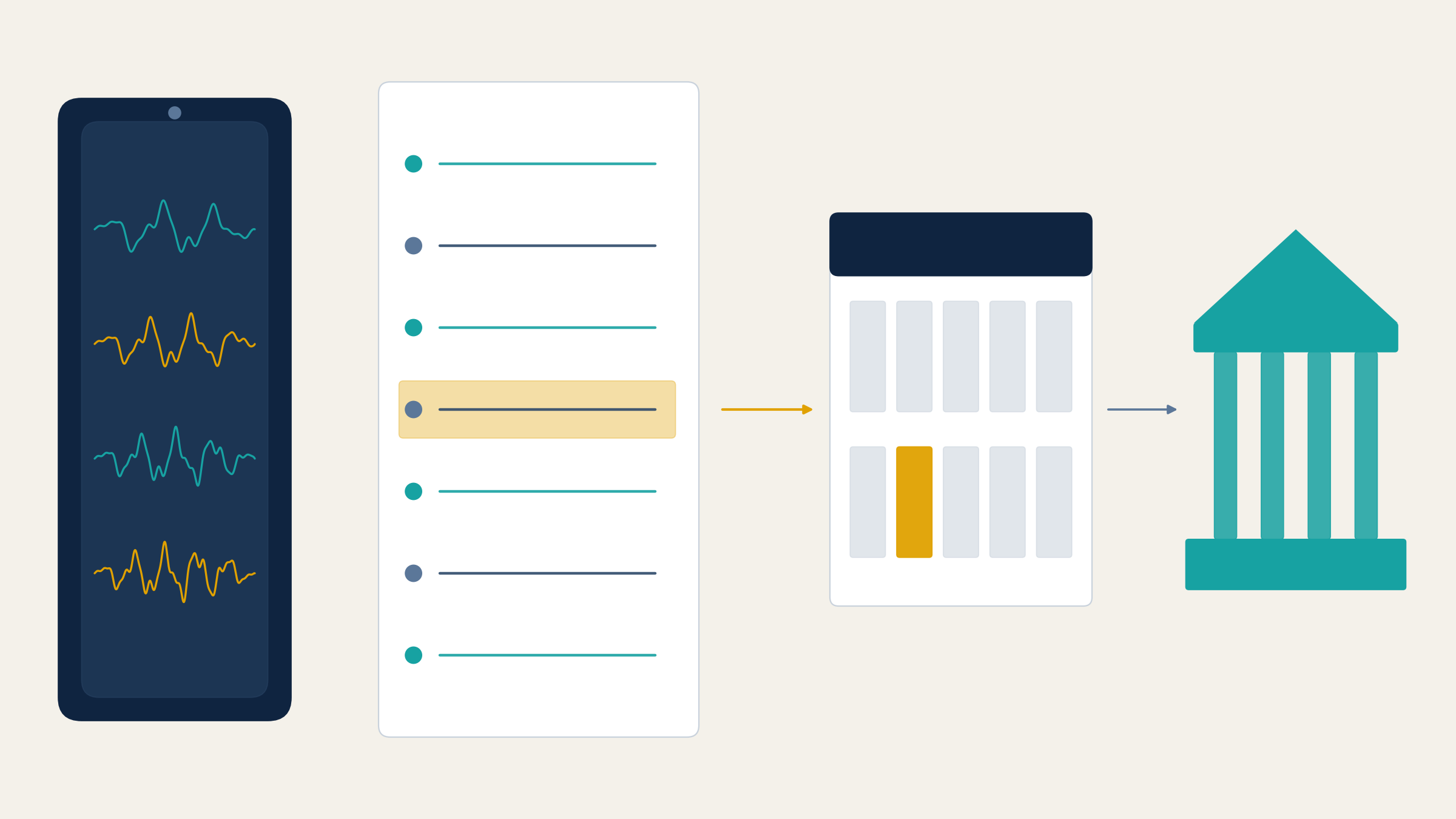
Bring it to the hearing. Under 273.15(p)(1), the household or its representative must be given adequate opportunity to “Examine all documents and records to be used at the hearing at a reasonable time before the date of the hearing as well as during the hearing.” A transcript of the request call lets an advocate compare it with what the file says.
Privacy stated plainly. Transcription runs through OpenAI and Microsoft Azure speech services, and AI analysis through Anthropic. AmyNote states that it does not use customer data to train AI models and does not sell content. Audio and text are encrypted in transit with TLS, and the saved library stays on the advocate’s own iPhone or iPad, where recording, playback and export work with no network.
Local first is not local only. When transcription or a summary runs, the needed audio or text is uploaded, and a processing copy may be retained to complete the request. AmyNote publishes that trade-off rather than hiding it. Whether that fits your client-confidentiality rules is a decision for your organization.
A Short Checklist for Navigators and Advocates
- Note the mailing date on the notice before the call, so you know which day of the window you are on.
- Say the words plainly. “The household wants a fair hearing on this notice” leaves no room to argue it was unclear.
- Ask about continued benefits on the call, and make sure the household understands the claim that may follow if the agency is upheld.
- Ask the worker to read back what they entered, and get their name.
- Keep the recording and transcript with the case, and check the file for the request within a few days.
What This Does Not Decide for You
A recording does not decide whether the agency’s action was right, and it does not replace legal advice or your state’s hearing procedures. Consent rules for recording phone calls differ by state, and some agencies have their own policies. What a verbatim record does is make sure that, when the date of a request is in dispute, the household is not relying on memory alone.
Getting Started
Pick one kind of call, such as appeal requests made during the notice period, and record them with consent for a month. Then compare each transcript with the hearing requests the agency logged. AmyNote offers transcription by OpenAI, analysis by Anthropic’s Claude Opus, zero-training commitments from both, and a three day free trial with no credit card.
Originally published as an X Article by @AmyNoteApp.