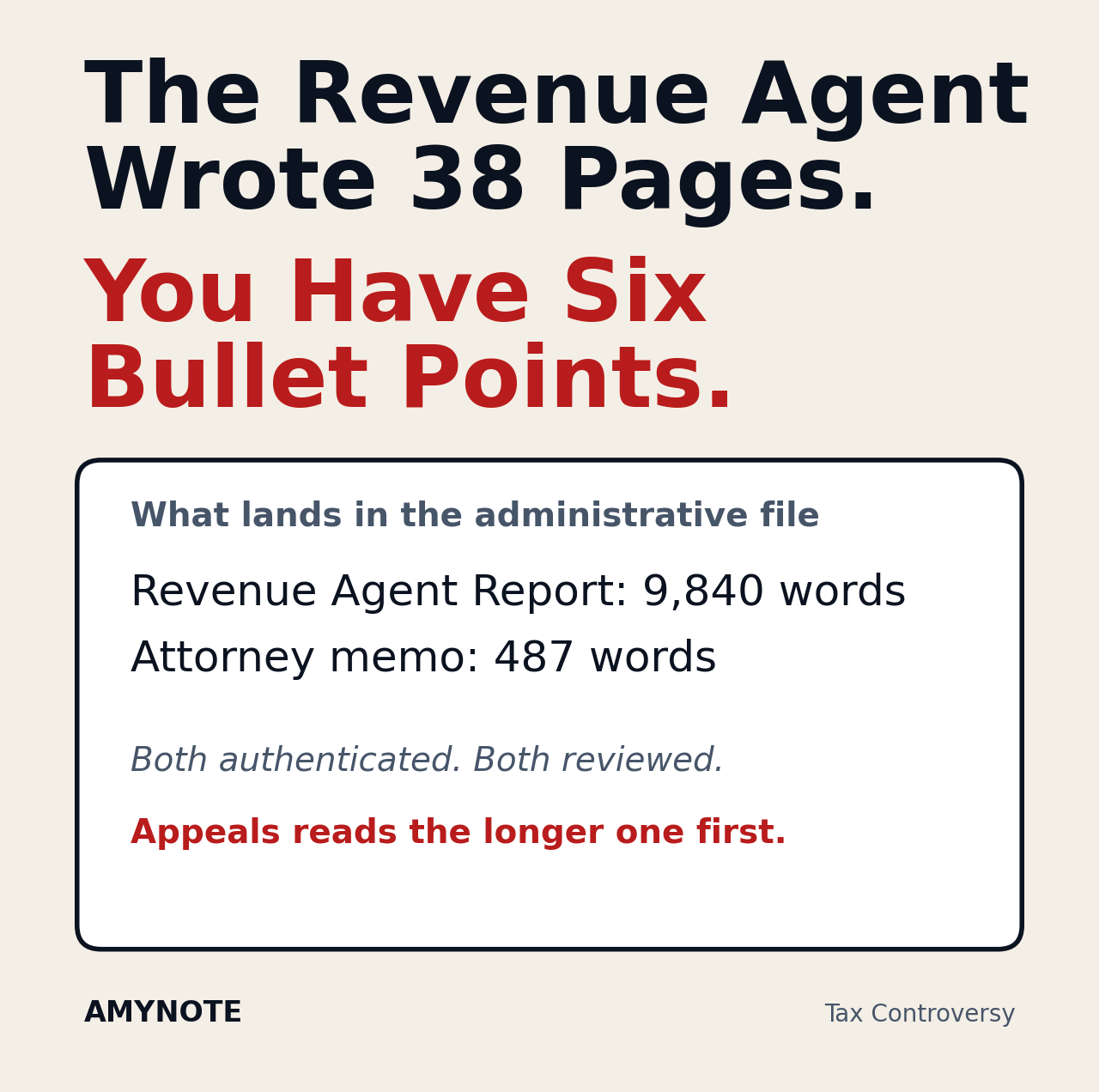
A contractor gets a final notice of intent to levy for three years of payroll tax. He requests a Collection Due Process hearing, and his enrolled agent spends forty minutes on the phone with an Appeals officer: the installment agreement he can afford, the equipment the business cannot run without, the penalty he says came from a notice he never received. The Notice of Determination sustains the levy. It mentions the installment agreement in one line and the penalty not at all.
Nothing in that story requires anyone to have acted in bad faith. The Appeals officer did what the procedure asks: held an informal hearing, took notes, wrote a determination. The problem is what happens next, when the taxpayer goes to Tax Court and discovers that the court is not going to hear the conversation. It is going to read the notes.
Tax Court Only Hears What the Hearing Caught
Under 26 USC 6330, a taxpayer facing levy gets one hearing per tax period with the IRS Independent Office of Appeals. That hearing is where collection alternatives, spousal defenses and some liability challenges must be raised. Section 6330(c)(2)(A) lists what the taxpayer may bring: spousal defenses, challenges to the appropriateness of collection actions, and offers of collection alternatives such as an installment agreement or an offer in compromise.
The regulation is blunt about what happens next. Under 26 CFR 301.6330-1(f)(2), A-F3, “the taxpayer can only ask the court to consider an issue, including a challenge to the underlying tax liability, that was properly raised in the taxpayer’s CDP hearing.”
That single sentence turns the hearing into the whole case. An issue not raised there is, in most situations, gone. And because each tax period gets one hearing, there is no second chance to raise it in front of Appeals either.
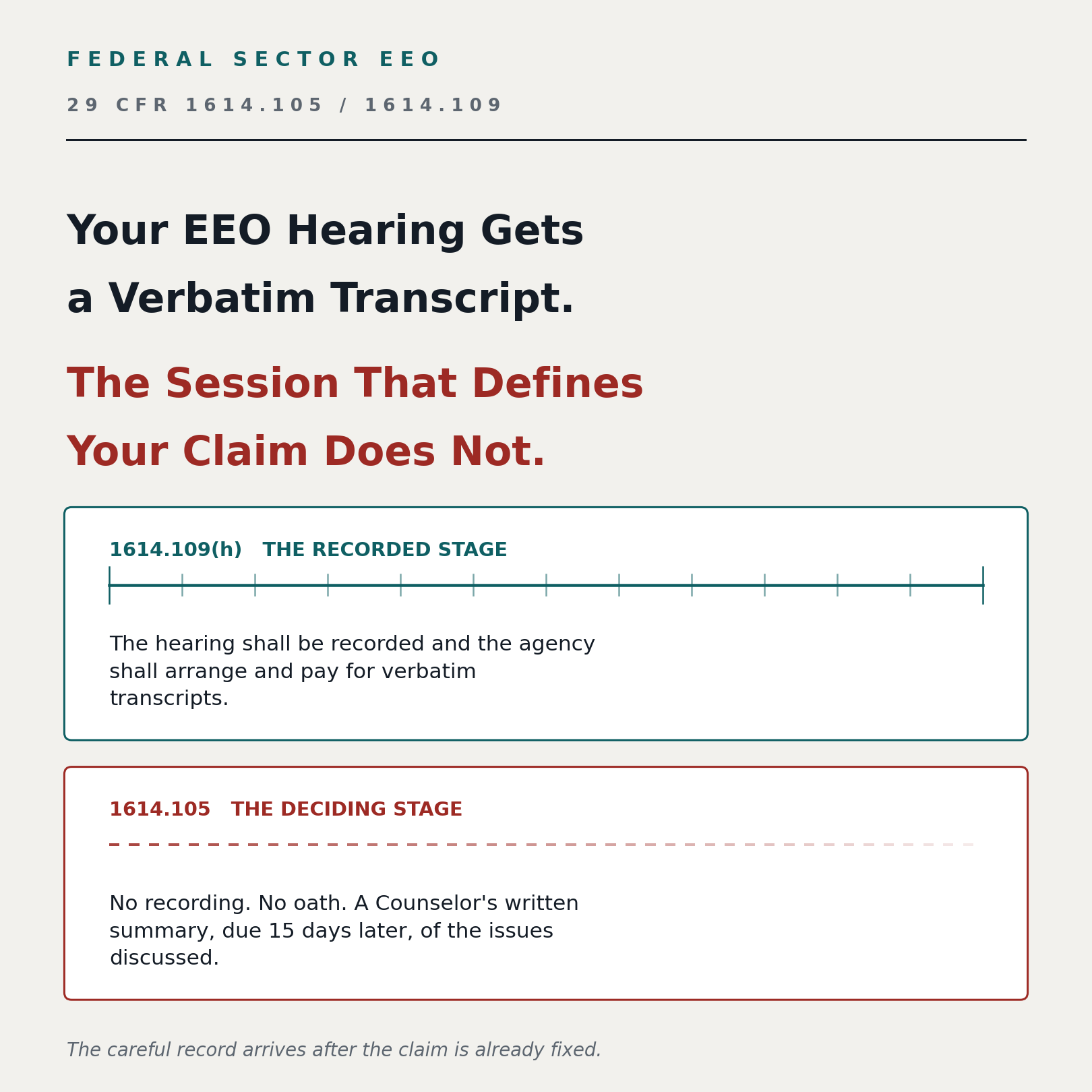
The hearing itself is usually a conversation. A-D6 says a CDP hearing “may, but is not required to, consist of a face-to-face meeting, one or more written or oral communications,” and then: “A transcript or recording of any face-to-face meeting or conversation between an Appeals officer or employee and the taxpayer or the taxpayer’s representative is not required.”
So what does Tax Court read? A-F4 defines the administrative record, and for everything said aloud it includes:
- Your hearing request and anything you submitted in writing.
- The officer’s notes, meaning “notes made by an Appeals officer or employee of any oral communications with the taxpayer.”
- Appeals memoranda and the documents the officer relied on.
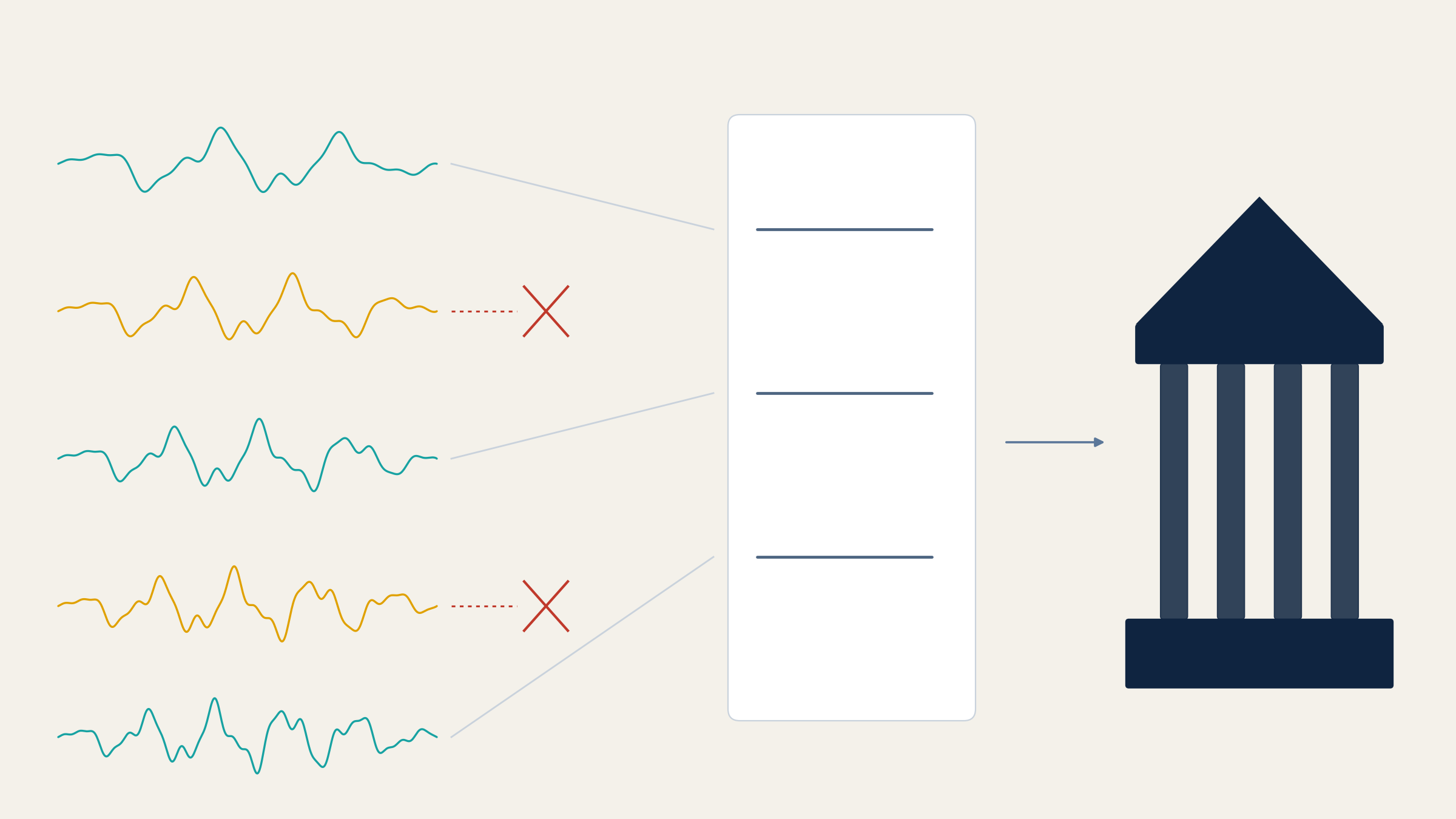
An argument the taxpayer made on the call but that never reached the officer’s notes is, for the court, an argument that was never made.
What the Record Holds, and What It Does Not
It helps to lay the two sides out plainly, because practitioners often assume the record is broader than it is.
| Source | In the A-F4 record? | Whose words |
|---|---|---|
| CDP hearing request | Yes | Taxpayer’s, in writing |
| Letters and documents submitted | Yes | Taxpayer’s, in writing |
| Appeals officer notes of oral communications | Yes | The officer’s summary |
| Appeals memoranda and documents relied on | Yes | The IRS’s |
| What was actually said on the call | Only as far as the notes captured it | Nobody’s verbatim |
Every row that belongs to the taxpayer is written. The one row where the substance of the hearing usually lives, the conversation, reaches the court only through someone else’s summary.
Why the Usual Safeguards Fall Short
Practitioners know the risk. The standard workarounds each leave a gap.
- Putting everything in the hearing request helps, but the request is due within 30 days of the notice under A-C3, long before the financials and the offer are ready.
- Follow-up letters only work if you remember exactly what was said, and the officer’s notes are already written.
- Your own call notes are fragments, taken while you are also the one arguing.
- Waiting for the Notice of Determination is too late. The petition window under 6330(d)(1) is 30 days, and the record is already closed.
None of this is a criticism of Appeals officers. A forty minute call about an installment agreement, allowable expenses and a penalty dispute cannot be reduced to a page of notes without losing something. The gap is structural: the rule lets the hearing be oral, then makes the written summary of it the only version the court will see.
What Actually Works
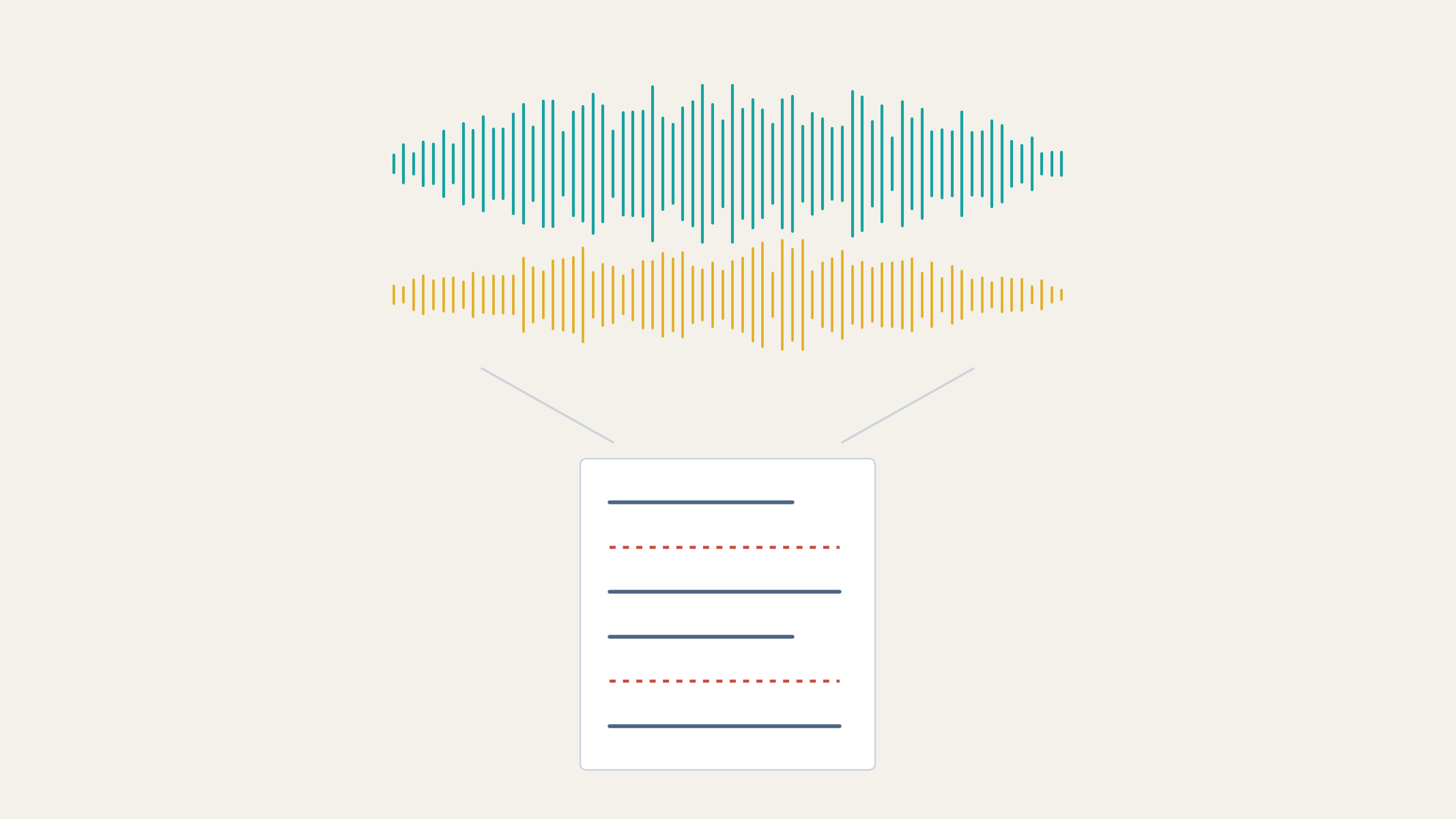
The fix is a verbatim record of every conversation the Appeals officer’s notes are built from, made openly.
Record the hearing, with notice. For in-person interviews about the collection of tax, 26 USC 7521(a)(1) lets the taxpayer make an audio recording on advance request. For a phone hearing, say at the start that you are recording and ask; consent rules for recorded calls vary by state. AmyNote runs on the iPhone already on the desk.
Capture the collection vocabulary exactly. Transcription runs on OpenAI’s latest Speech API, which holds up on the terms these calls turn on: Form 433-A, allowable expenses, reasonable collection potential, first-time abatement, trust fund recovery penalty.
Keep the speakers straight. Speaker identification separates the taxpayer, the representative and the Appeals officer, and remembers them across the hearing and every follow-up call.
Turn the transcript into the written record. AI analysis runs on Anthropic’s Claude Opus. After each call, search for every issue raised and every item the officer asked for, then send a same-day letter confirming them. That letter is part of the case file under A-F4.
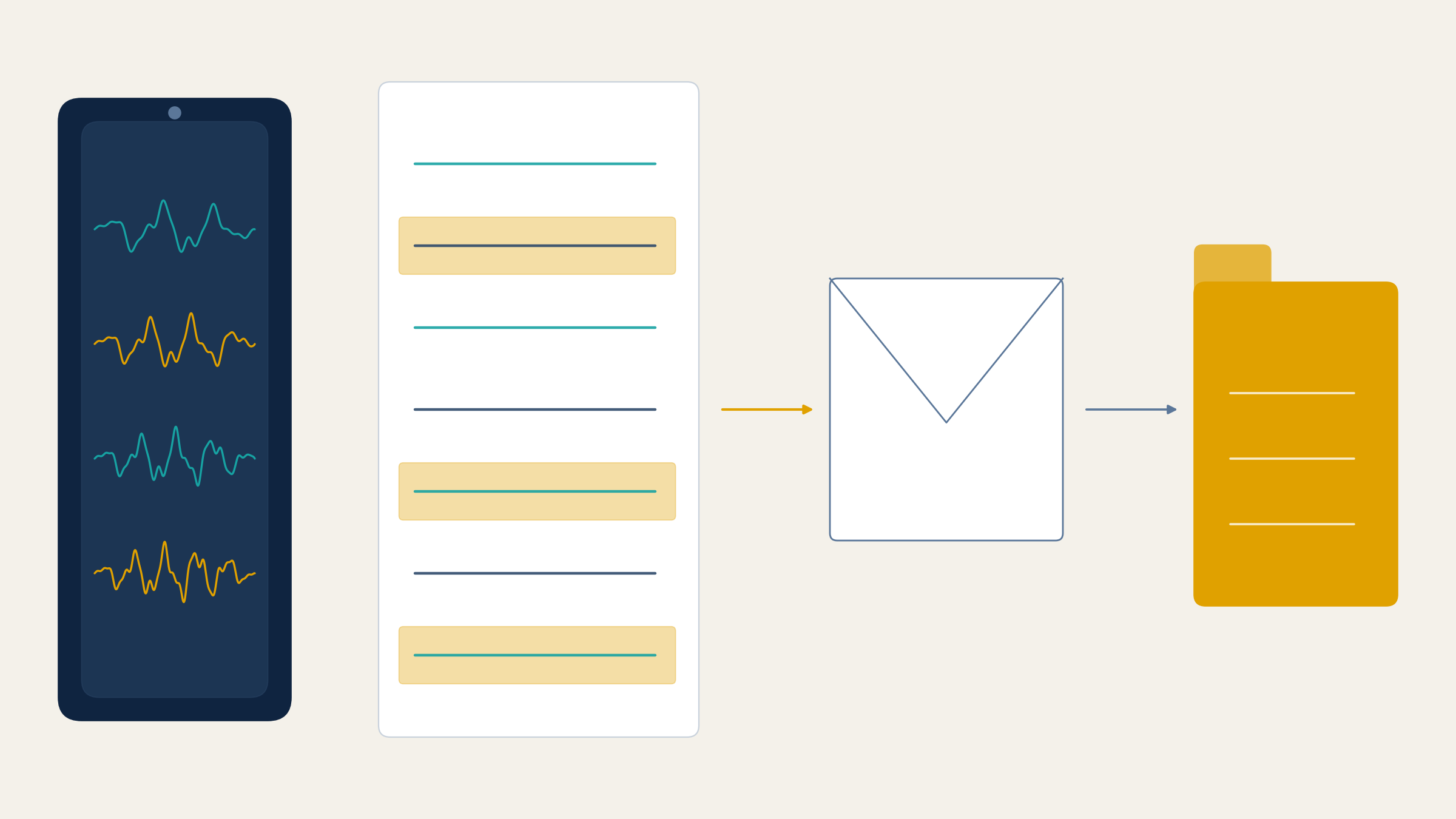
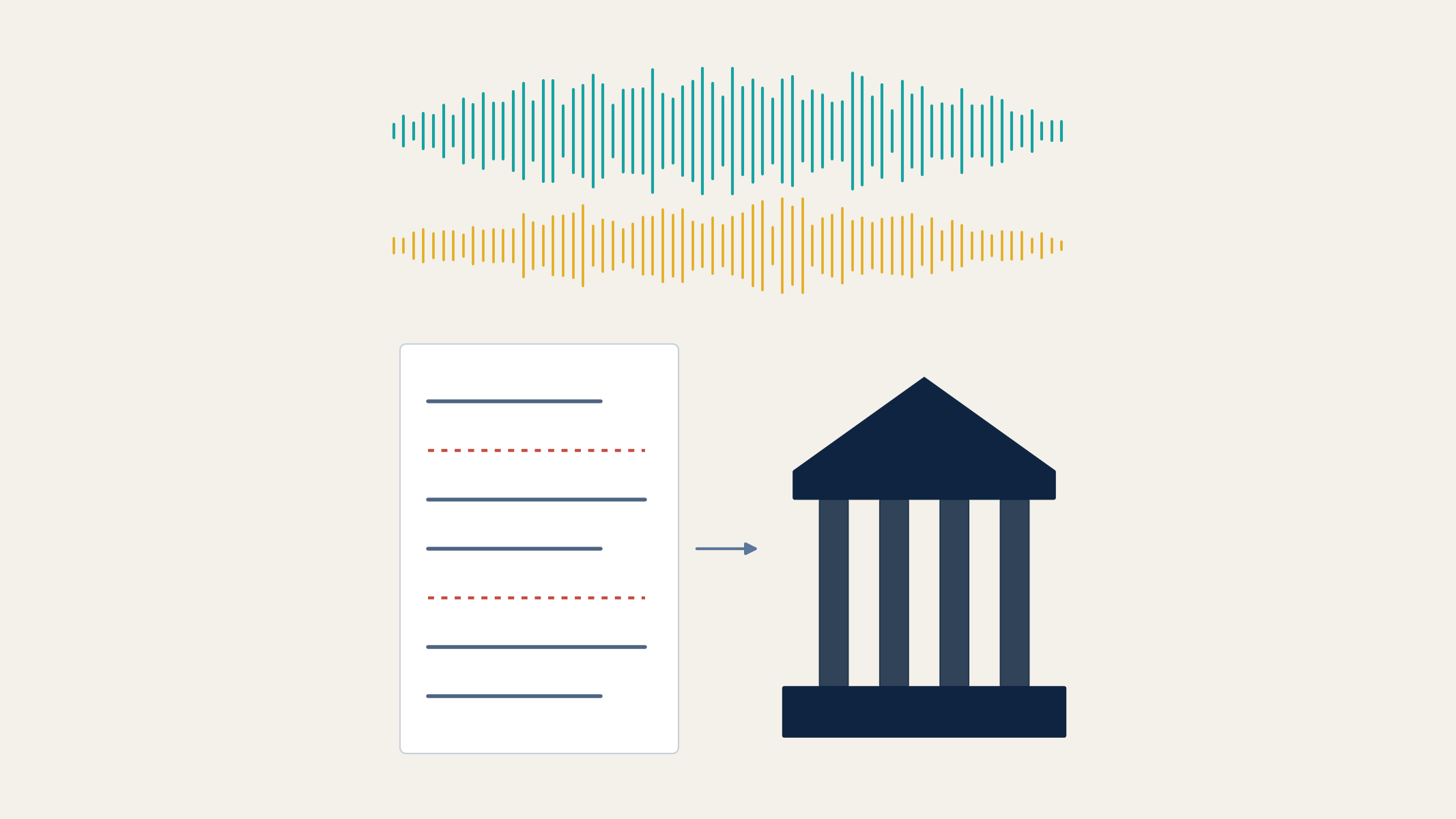
The confirming letter is the step that closes the gap. A recording on your phone is not part of the administrative record by itself. A letter sent to the Appeals officer that lists, issue by issue, what was raised on the call is. The transcript is what makes that letter accurate and complete instead of reconstructed from memory.
Privacy stated plainly. Transcription runs through OpenAI and Microsoft Azure speech services, and AI analysis through Anthropic. AmyNote states that it does not use customer data to train AI models and does not sell content. Audio and text are encrypted in transit with TLS, and the saved library stays on the representative’s own device, where recording, playback and export work with no network.
Local first is not local only. When transcription or a summary runs, the needed audio or text is uploaded, and a processing copy may be retained to complete the request. AmyNote publishes that trade-off rather than hiding it.
Before the Appeals Call: A Short Checklist
- List every issue in the hearing request, even in one line each. A thin mention in writing is better than a full argument only spoken.
- Decide how the call will be recorded and say so at the start. For in-person conferences, make the advance request 7521(a)(1) calls for.
- Name who writes the confirming letter and set it for the same day, not the end of the week.
- Track every follow-up call as part of the hearing. Each one is another oral communication the officer’s notes will summarise.
- Diary the 30 day petition deadline from the Notice of Determination the day it arrives.
What This Does Not Decide for You
A transcript does not make a weak collection alternative stronger, and it does not replace professional judgment. Whether to record, how to phrase the confirming letter, and which issues to press are decisions for the taxpayer and their representative. What a verbatim record does is make sure the issues you did raise can be shown to have been raised, in writing, before the record closes.
Getting Started
Before the next Appeals call, decide how it will be recorded and who will write the confirming letter. AmyNote offers transcription by OpenAI, analysis by Anthropic’s Claude Opus, zero-training commitments from both, and a three day free trial with no credit card.
Originally published as an X Article by @AmyNoteApp.