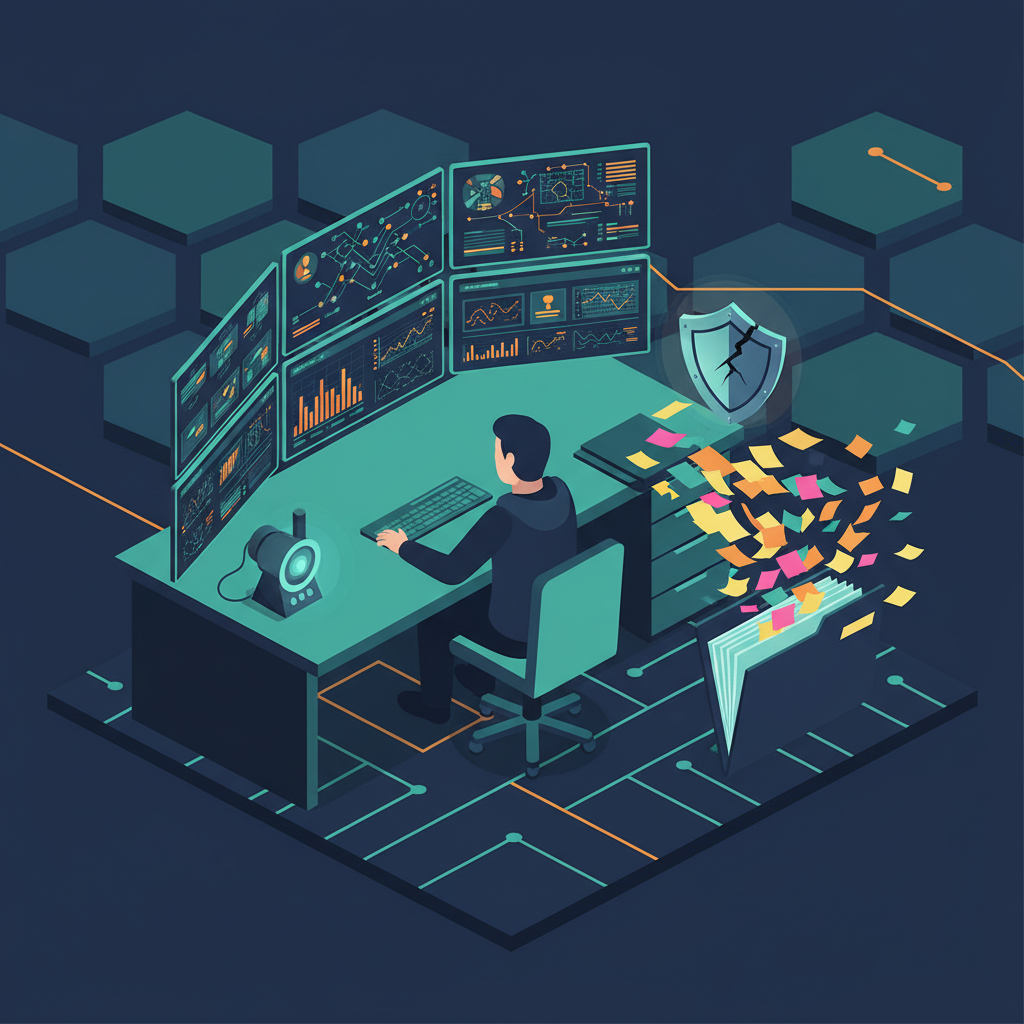
This is not a SOC tooling problem. The dashboards are full, the alerts fired, the EDR caught the beacon. This is a documentation problem under extreme time pressure — the kind that does not show up until the incident is closed and someone asks why a decision was made.
Incident response runs on conversations, not tickets. The detection layer is mature; the human decision layer that sits on top of it is not. The most load-bearing information during an active incident lives in voices on a bridge: which segment was isolated first, why the team chose containment over continued monitoring, what the outside firm advised about ransom posture, what counsel said about privilege and disclosure. None of that is in the SIEM.
The War Room Problem
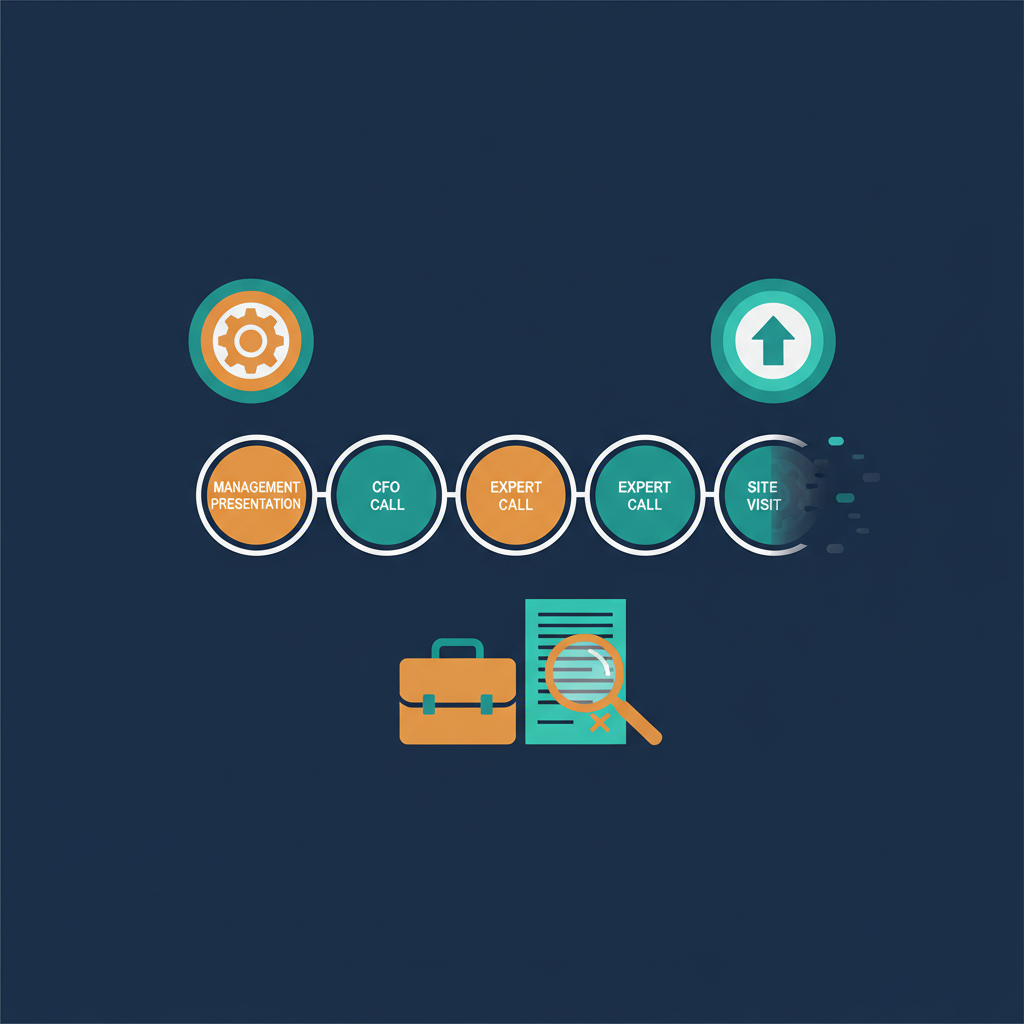
A typical major incident generates 12 to 20 bridge calls in the first 72 hours. Add exec briefings, regulator-prep calls, cyber-insurance carrier conversations, and the threat-intel sync. Each session has four to ten participants, and each one makes decisions that depend on what the previous bridge already concluded. The result is a chain of high-stakes calls where the output of one is the input to the next — and the connective tissue between them is human memory.
The information loss is severe and structural, not a matter of one tired analyst forgetting to type something:
- Indicators of compromise mentioned verbally. A hash, an IP, a registry key, or a TTP gets said once on a 3 AM bridge and never makes the IOC list. The blocklist is built from what someone remembered to write down, not from everything that was actually identified.
- Decision rationale evaporates. The post-incident report says "team chose containment." The reason — a specific concern about a stale service-account credential that would have tipped off the adversary — is gone. Six months later, an auditor asks why, and there is no answer that survives scrutiny.
- Stakeholder commitments slip. Legal said something specific about attorney-client privilege and what should and should not be written down on the second bridge. By the third bridge nobody remembers the exact instruction, and the team either over-documents into discoverable territory or under-documents the forensic record.
- 8-K disclosure prep starves. Under the SEC's rules, a public company has four business days to disclose a material cybersecurity incident once materiality is determined. The disclosure team is reconstructing the timeline from memory and Slack scrollback while the clock runs — and "when did we know it was material" is exactly the question that needs a defensible, timestamped answer.
The pattern repeats across every serious incident: the network telemetry is preserved perfectly, and the human reasoning that turned that telemetry into decisions is preserved barely at all.
Why Current Solutions Fail
IR teams are not short on tooling. They are short on tooling aimed at the meeting layer.
- SIEM and SOAR log machines, not meetings. They capture what the network did with millisecond precision. They do not capture what the humans decided about it, or why. The richest part of the incident — judgment under uncertainty — is invisible to them.
- Slack and Teams become the de-facto memory. That makes the record searchable, but unstructured and incomplete. It captures what was typed and misses everything that was said aloud — which, on a fast-moving bridge, is most of it.
- Manual scribes burn out fast. Assigning a junior analyst to take notes during a 4 AM bridge means they are scribing instead of analyzing, and humans miss things at hour 14 of an incident. The note-taker is also the person you can least afford to pull off the keyboard.
- Generic meeting bots cannot join classified bridges. Most enterprise IR runs over secure conferencing that does not permit third-party recording bots. And most consumer bots ship audio to vendors who train on it — a non-starter when the conversation contains live indicators of an active breach.
What Actually Works
Effective incident-response documentation needs three things working together: accurate transcription of security vocabulary, secure capture that respects sensitive content, and AI that turns raw audio into the artifacts the post-incident process actually needs.
Transcription that handles security vocabulary
AmyNote uses OpenAI's latest Speech API, which gets terms like lateral movement, Mimikatz, NTLM relay, persistence mechanism, and command-and-control beacon right the first time. The difference matters downstream: a post-incident timeline that reads "the analyst said something about NTLM something" is useless to a forensics reviewer, while a clean transcript of the same sentence is evidence. Domain accuracy is what makes a transcript admissible into the incident file rather than just a rough memory aid.
Speaker identification across the full incident
AmyNote's cross-session speaker memory means the same CISO, IR lead, and outside forensics consultant get tagged consistently across all 20 bridge calls. When the post-incident report needs to attribute a containment decision, it knows who made it and on which call. That attribution is what separates a defensible after-action review from a narrative that falls apart the moment someone disputes who decided what.
Structured AI summaries built for IR
Anthropic's Claude Opus generates a per-bridge brief with the structure IR teams actually need: indicators discussed, containment decisions made, action owners and deadlines, open questions, and legal or privilege flags. Search across every incident call surfaces every mention of a specific hash, domain, or vendor name in seconds — so the IOC list is built from the full record of what was said, not from what one analyst remembered to capture. The lead walks out of a 90-minute bridge with a structured action list instead of an audio file nobody will re-listen to.
Privacy architecture that fits a security org
This is the part a security team will scrutinize hardest. Both OpenAI and Anthropic contractually guarantee zero training on user data. Audio is encrypted in transit; processing copies may be retained to deliver and recover requested features. All transcripts and recordings are stored locally on the analyst's device with encrypted transport. No incident audio sits on a third-party server, and no forensic detail feeds into a model-training pipeline. For a team whose entire job is controlling where sensitive data lives, that posture is the price of entry.
What Changes After the First Incident
Teams that try this on a tabletop exercise notice the shift before they ever use it in anger. The exercise's hotwash writes itself: every decision has an owner, a timestamp, and a rationale, and the facilitator spends the debrief discussing the response instead of reconstructing it.
In a real incident, the payoff compounds across the 72-hour window. The third bridge opens with an accurate summary of what the first two decided, so the team stops re-litigating settled questions. The disclosure team answers "when did we determine materiality" with a quote and a timestamp instead of a guess. And when the regulator, the insurer, or the board asks for the decision trail weeks later, the answer is a searchable record rather than five people's diverging recollections.
Getting Started
AmyNote runs on the IR analyst's laptop or phone. Record the bridge, get a structured brief inside ten minutes, and search every prior incident call by indicator or speaker. There is a three-day free trial, no credit card required — enough to run it against a single tabletop exercise and see whether your next incident timeline writes itself.
Originally published as an X Article.