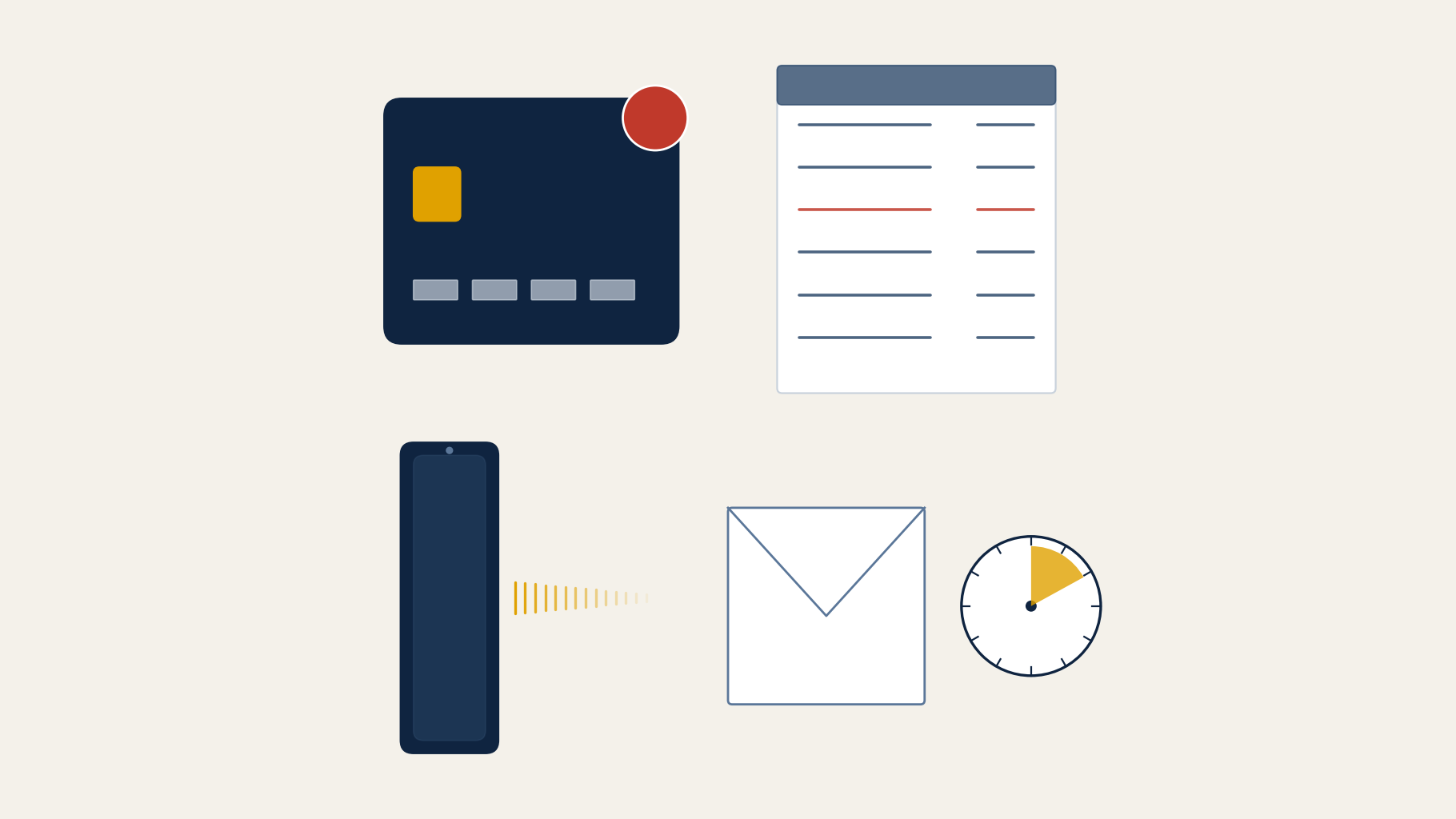
A mortgage pre-approval stalls because your credit report shows a 90-day late payment you never made. You call the card issuer, an agent agrees it looks like an error and says the account will be updated. A month later the late mark is still there, and the issuer has no dispute on file.
The call felt like the end of the problem. The agent was friendly, the explanation made sense, and fixing a reporting mistake sounds like something a lender can do in a few keystrokes. But the federal rules that force a lender to investigate a credit report error are triggered by a dispute notice sent to a specific place, not by a conversation, and the only detailed record of the call usually sits in the lender’s system.
The Problem: The Dispute Was a Phone Call
The Fair Credit Reporting Act lets you dispute an error directly with the company that reported it, called the furnisher. Regulation V, 12 CFR 1022.43, sets the trigger. A furnisher must investigate “only if a consumer submits a dispute notice to the furnisher at” one of three places:
- The address on your report. The furnisher address that is “set forth on a consumer report relating to the consumer.”
- A dispute address it gave you. One “clearly and conspicuously specified by the furnisher for submitting direct disputes.”
- Any business address. This counts only if the furnisher never specified a dispute address.
The notice must also state “the specific information that the consumer is disputing and an explanation of the basis for the dispute,” with supporting documents such as a copy of the relevant part of the report.
A call to the customer service line reaches none of those addresses. It can start a courtesy review. It does not start the legal duty.
Why Current Solutions Fail
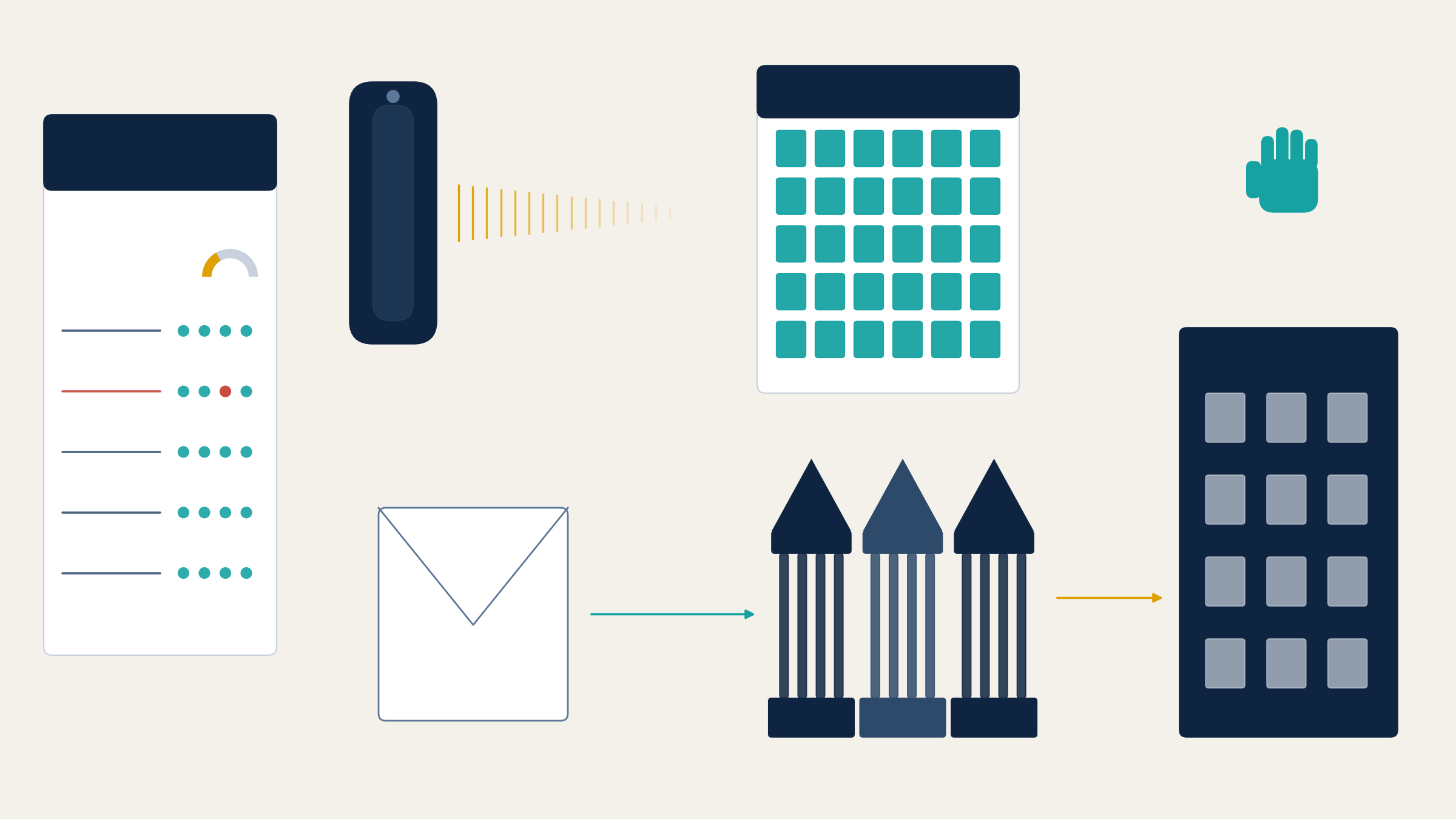
Even a notice sent to the right address can be dropped if it is thin. Under 1022.43(f)(1)(i), a dispute is frivolous or irrelevant if “the consumer did not provide sufficient information to investigate the disputed information.” A letter that says only “this late payment is wrong” invites exactly that answer.
The bigger gap is enforcement. Under 15 U.S.C. 1681s-2(c) and (d), the direct dispute duties are enforced only by federal and state officials, not by a consumer lawsuit. The dispute with teeth runs through the credit bureau.
Where consumers lose:
- The agent’s promise is not a record. The issuer logs what its agent typed. Your side is a memory and a call history.
- Bureau disputes go in without facts. The bureau must finish within 30 days, and its notice to the furnisher carries “all relevant information regarding the dispute that the agency has received from the consumer.” Send little, and little gets checked.
- The enforceable duty starts at the bureau. Under 1681s-2(b), a furnisher that gets notice of the dispute from the bureau must “conduct an investigation with respect to the disputed information.”
- The admission disappears. If an agent agreed the late mark was a mistake, that is the most useful fact in the whole dispute, and it exists only in the call.
Notes written after the call help, but they capture what you remember, not what the agent said. The details that make a dispute specific, the account number, the month reported late, the payment date the lender sees on its side, the reference number, are exactly the details most likely to be gone by the time you sit down to write.
What Actually Works
The fix is a verbatim, timestamped record of every call with the issuer and the bureau, then a dispute built from it and sent the same day.
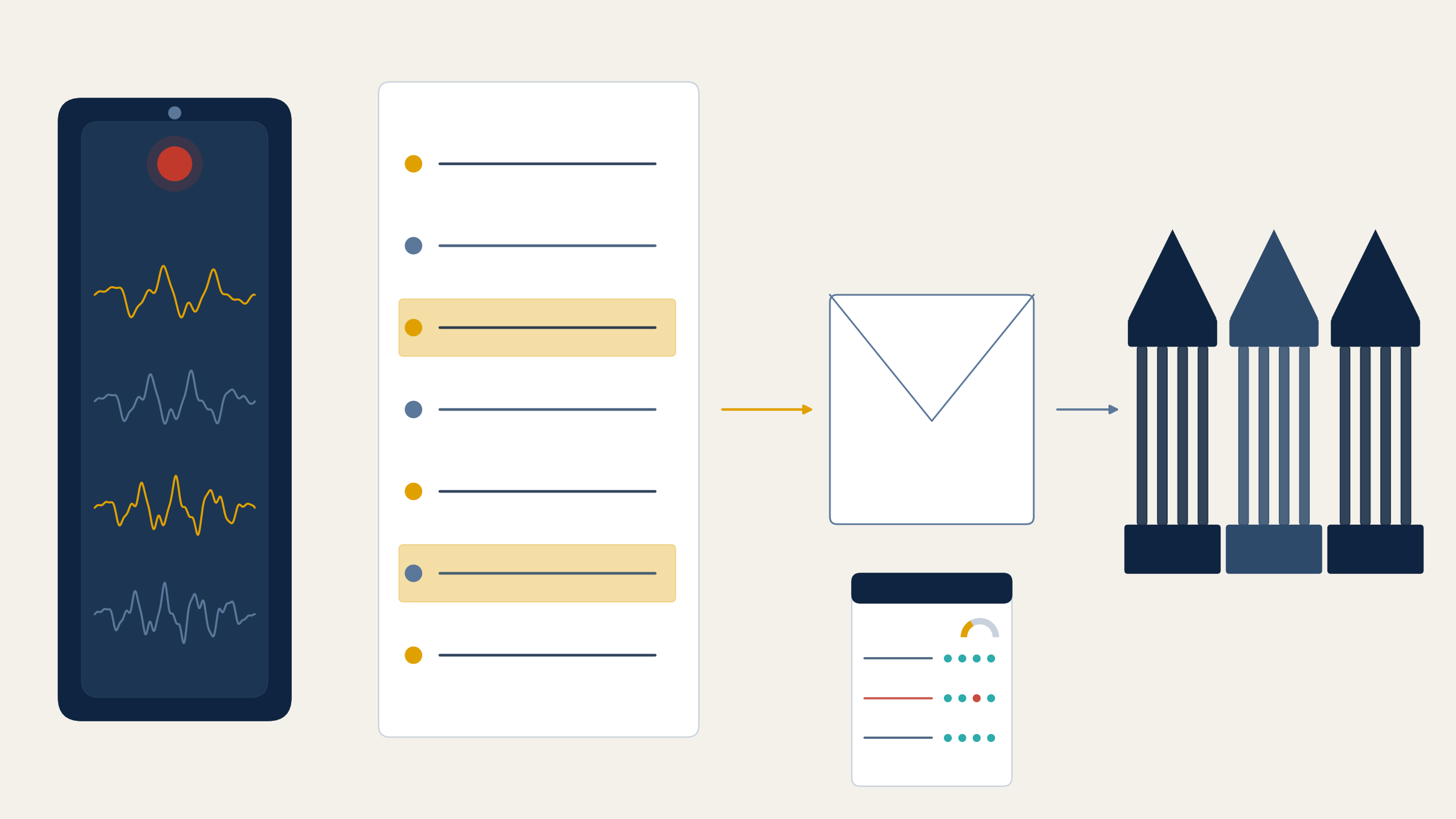
Record the call in the room. Put the agent on speaker and let AmyNote record from a second device nearby, such as an iPad. Tell the agent the call is being recorded, and follow your state’s consent law, since some states require every party to agree.
Capture the exact words. Transcription runs on OpenAI’s latest Speech API, so the account number, the reported date, the agent’s reference number and any admission that the late mark is wrong land in the transcript as spoken.
Keep the speakers straight. Speaker identification separates you from each agent and remembers voices across calls, so the issuer call and the bureau call sit in one timeline.
Turn the calls into a dispute. AI analysis runs on Anthropic’s Claude Opus. Ask for every date, account detail and admission, with timestamps, then draft a dispute that names the item, explains why it is wrong and lists the documents attached.
Privacy stated plainly. Transcription runs through OpenAI and Microsoft Azure speech services, and AI analysis through Anthropic. AmyNote states that it does not use customer data to train AI models and does not sell content. Audio and text are encrypted in transit with TLS, and the saved library stays on the user’s own iPhone or iPad, where recording, playback and export work with no network.
Local first is not local only. When transcription or a summary runs, the needed audio or text is uploaded, and a processing copy may be retained to complete the request. AmyNote publishes that trade-off rather than hiding it.
Phone Call vs. Written Dispute
| Disputed by phone only | Written dispute | |
|---|---|---|
| Starts the furnisher’s duty to investigate | No | Yes, if sent to an address in 1022.43(c) |
| Bureau reinvestigation clock | Not started | 30 days, when filed with the bureau |
| Enforceable by the consumer | No | Through the bureau route, 1681s-2(b) |
| Who holds the record | The lender’s call notes | Your copy of the dispute and proof of sending |
| With your own recording | Proof of what was said | A dispute with exact dates, account details and the agent’s admission |
A Short Checklist for the Dispute Call
- Say that the call is being recorded, at the start, so consent is on the recording itself.
- Read the tradeline aloud. Creditor name, the last digits of the account and the month reported late, exactly as they appear on the report.
- Say what is wrong and why. For example, the payment was made on a given date, from a given account.
- Ask for a reference number, the agent’s name, and the address the lender uses for credit reporting disputes.
- Send the written disputes the same day. One to each bureau showing the error and one to the furnisher’s dispute address, each with a copy of the report and the details from the transcript. Keep proof of sending.
What This Does Not Decide for You
A recording does not decide whether an entry is inaccurate, whether a lender or bureau followed the law, or whether a claim is worth bringing. It is not legal advice; a consumer attorney or a nonprofit credit counselor should look at the facts. Recording consent rules differ by state, so check yours before you press record. What a verbatim record does is make the written dispute specific, and make sure the lender’s call notes are not the only version of what was said.
Getting Started
Next time a credit report entry is wrong, record the calls with consent. Then file a dispute with each bureau showing the error and send a notice to the furnisher’s dispute address, each with the account details, the reason and a copy of the report. Keep proof of sending. AmyNote offers transcription by OpenAI, analysis by Anthropic’s Claude Opus, a stated no-training commitment, and a three day free trial with no credit card.
Originally published as an X Article by @AmyNoteApp.