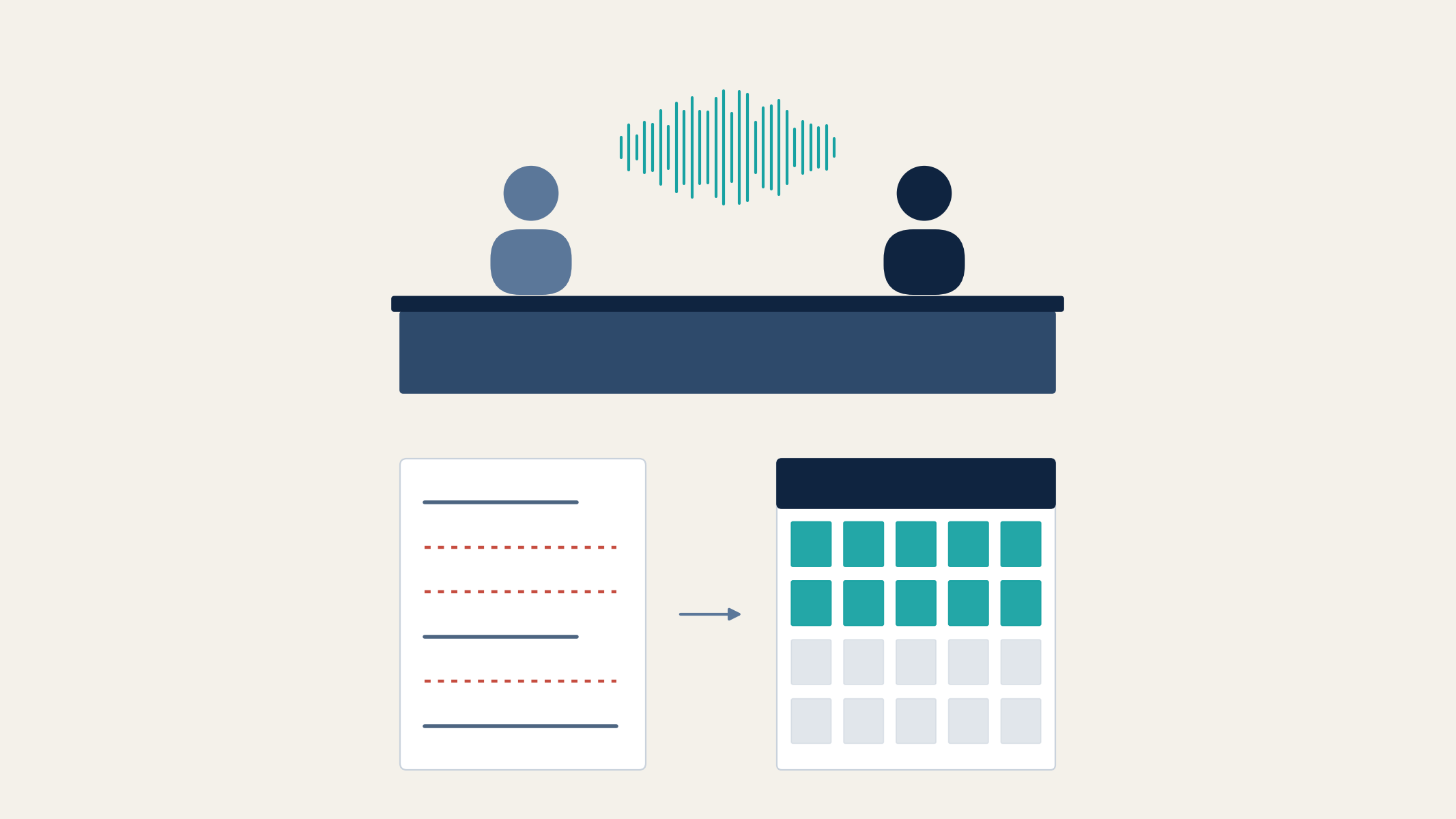
A homeowner opens a mortgage statement and finds a late fee for a payment that cleared on time. They call the servicer. The representative agrees it looks wrong and says the fee will come off. Two statements later the fee is still there, a late payment has been reported, and the servicer’s file has no record of any promise.
Nothing about that call was unusual. Most people dispute a fee the way they handle any billing mistake: they pick up the phone. The representative may even have meant it. But under the federal mortgage servicing rule, the call is not the dispute. It is the conversation before the dispute, and the only detailed record of it usually sits in the servicer’s system.
The Problem: The Dispute Was Spoken
Regulation X, which implements RESPA, has a strong error-resolution process, but it starts with paper. Under 12 CFR 1024.35(a), a servicer must follow it “for any written notice from the borrower that asserts an error.” A phone call is not a written notice.
The paper also has to go to the right place. A servicer “may, by written notice provided to a borrower, establish an address that a borrower must use to submit a notice of error,” under 1024.35(c). That address is often different from the one on the payment coupon. Once a proper written notice reaches it, the clocks start:
- Acknowledgment. Within five business days, the servicer must send “a written response acknowledging receipt of the notice of error,” under 1024.35(d).
- Answer. For most errors, the servicer must correct the error or explain why none occurred “not later than 30 days (excluding legal public holidays, Saturdays, and Sundays),” under 1024.35(e)(3)(i)(C).
- Credit reporting. After receipt, a servicer “may not, for 60 days, furnish adverse information to any consumer reporting agency regarding any payment that is the subject of the notice of error,” under 1024.35(i)(1).
None of these protections run from a phone call. They run from the letter that follows it. Every day between the call and the letter is a day the credit-reporting shield is not in place, and a day for the details of the call to fade.

Why Current Solutions Fail
The call still matters. It is where the servicer explains the fee, quotes a payoff figure, or promises a fix. It is often where the borrower first learns what the servicer thinks happened. The trouble is what happens to those words.
- The servicer writes the note. Call logs and account notes sit in the servicer’s system. Your side is usually a memory and a call history entry that shows a number and a duration, not what was said.
- Vague letters can be set aside. A notice is overbroad “if the servicer cannot reasonably determine from the notice of error the specific error that the borrower asserts,” under 1024.35(g)(1)(ii). A letter written from memory weeks later tends to say “your fees are wrong” instead of naming the fee, the date and the amount.
- Second tries are limited. If the servicer already answered the same error, it can treat a repeat as duplicative “unless the borrower provides new and material information,” under 1024.35(g)(1)(i). A first letter that misses the key detail can make the second one harder to get answered.
- Denials rest on the servicer’s documents. You may request the “documents and information relied upon by the servicer,” under 1024.35(e)(4). Without your own record, there is little to set beside them.
A handwritten note after the call helps, but it captures what you remember, not what the representative said. The detail that makes a notice specific, the exact fee, the exact date, the exact explanation, is the detail most likely to be lost.
What Actually Works
The fix is a verbatim, timestamped record of the call, then a written notice built from it the same day.
Record the call in the room. Put the servicer call on speaker and let AmyNote record from a second device nearby, such as an iPad. Tell the representative the call is being recorded, and follow your state’s consent law, since some states require every party to agree.
Capture the exact words. Transcription runs on OpenAI’s latest Speech API, so the fee amount, the payment dates, the loan number and “we will reverse that fee” land in the transcript as spoken.
Keep the speakers straight. Speaker identification separates you from the representative and remembers voices across follow-up calls, so a second or third call about the same fee lines up with the first.
Turn the call into a specific notice. AI analysis runs on Anthropic’s Claude Opus. Ask for every amount, date and promise from the call, with timestamps, and use them to write a notice of error that names the specific error rather than a general complaint.
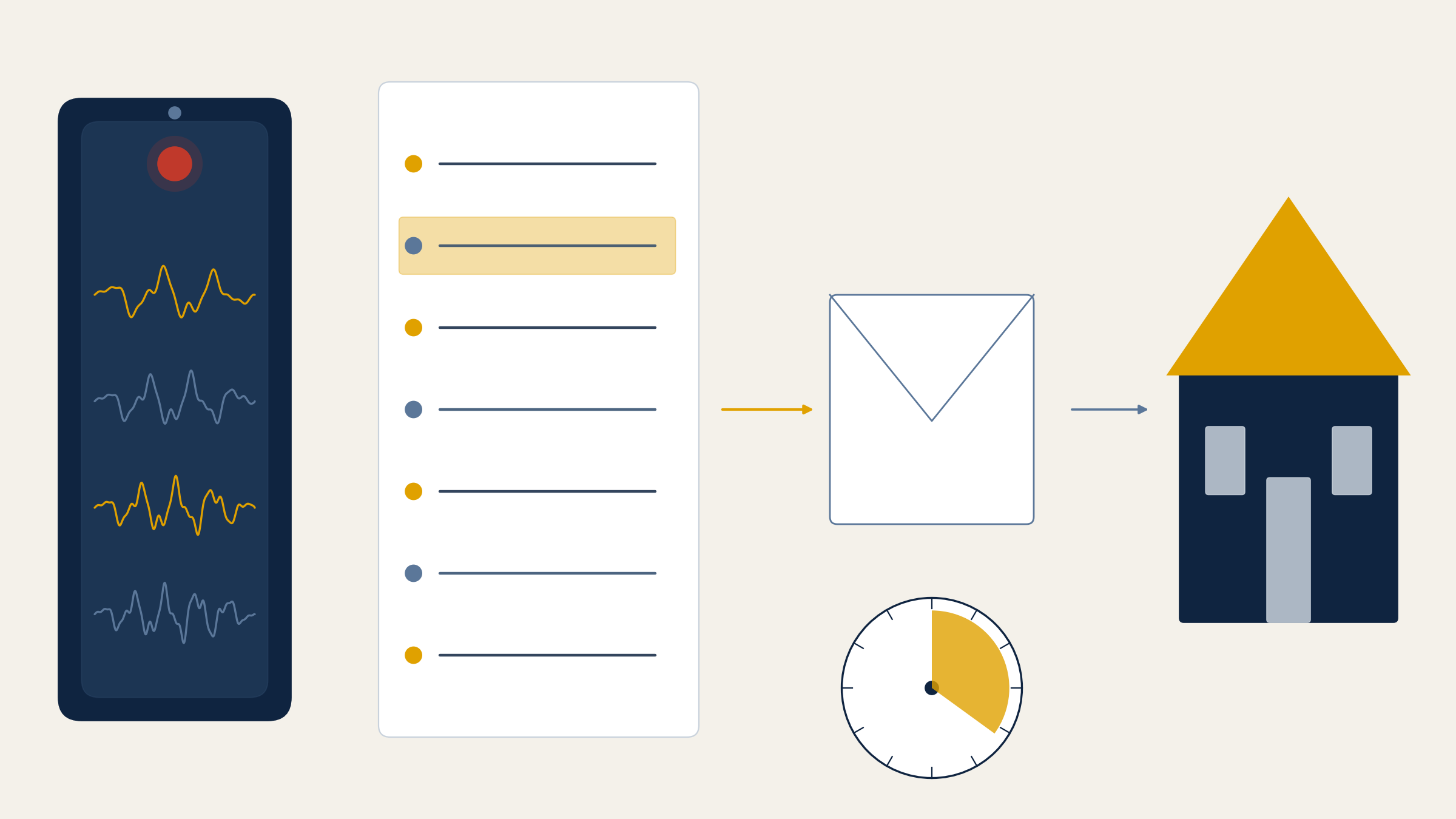
Privacy stated plainly. Transcription runs through OpenAI and Microsoft Azure speech services, and AI analysis through Anthropic. AmyNote states that it does not use customer data to train AI models and does not sell content. Audio and text are encrypted in transit with TLS, and the saved library stays on the user’s own iPhone or iPad, where recording, playback and export work with no network.
Local first is not local only. When transcription or a summary runs, the needed audio or text is uploaded, and a processing copy may be retained to complete the request. AmyNote publishes that trade-off rather than hiding it.
A Short Checklist for the Servicer Call
- Say that the call is being recorded, at the start, so consent is on the recording itself.
- Name the error out loud. The fee or charge, the statement date, the amount, and the payment you believe was applied wrongly.
- Ask for the address for notices of error. Ask the representative to confirm where written notices must be sent, and check it against what the servicer has sent you in writing.
- Let the representative explain. Their reason for the fee, in their words, is what your letter will respond to.
- Write the notice the same day. Include your name, the loan number, and the specific error, using the dates and amounts from the transcript.
- Mail it with proof. Keep proof of mailing and a copy of the letter alongside the recording.
What This Does Not Decide for You
A recording does not decide whether a fee was charged in error, whether a servicer met its obligations, or whether a claim is worth bringing. It is not legal advice; a housing counselor or consumer attorney should look at the facts. Recording consent rules differ by state, so check yours before you press record. What a verbatim record does is make the written notice specific, and make sure the servicer’s account notes are not the only version of what was said.
Getting Started
Next time a mortgage statement looks wrong, record the servicer call with consent, then mail a written notice of error to the address the servicer designated, with the dates and amounts from the transcript. Keep proof of mailing. AmyNote offers transcription by OpenAI, analysis by Anthropic’s Claude Opus, zero-training commitments from both, and a three day free trial with no credit card.
Originally published as an X Article by @AmyNoteApp.