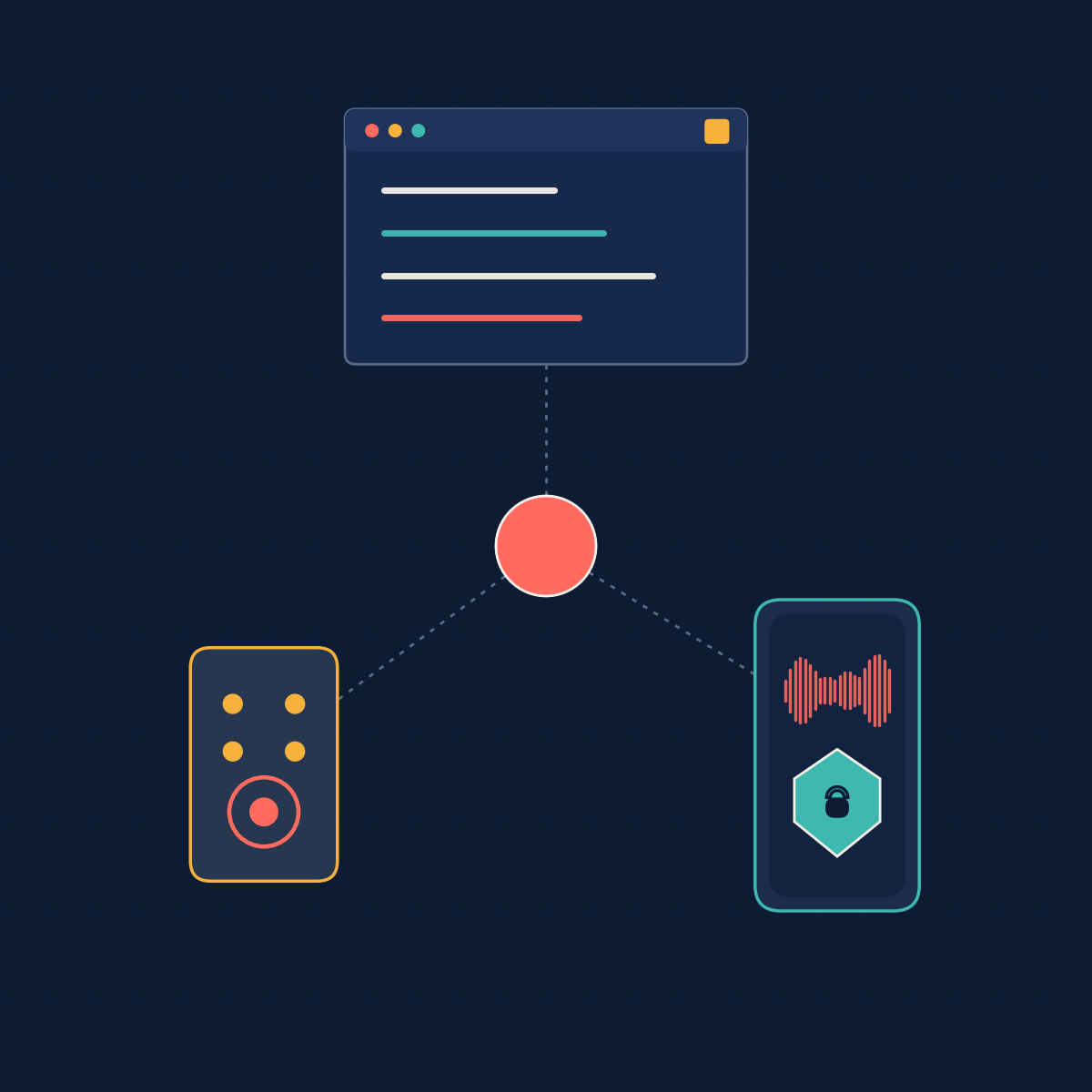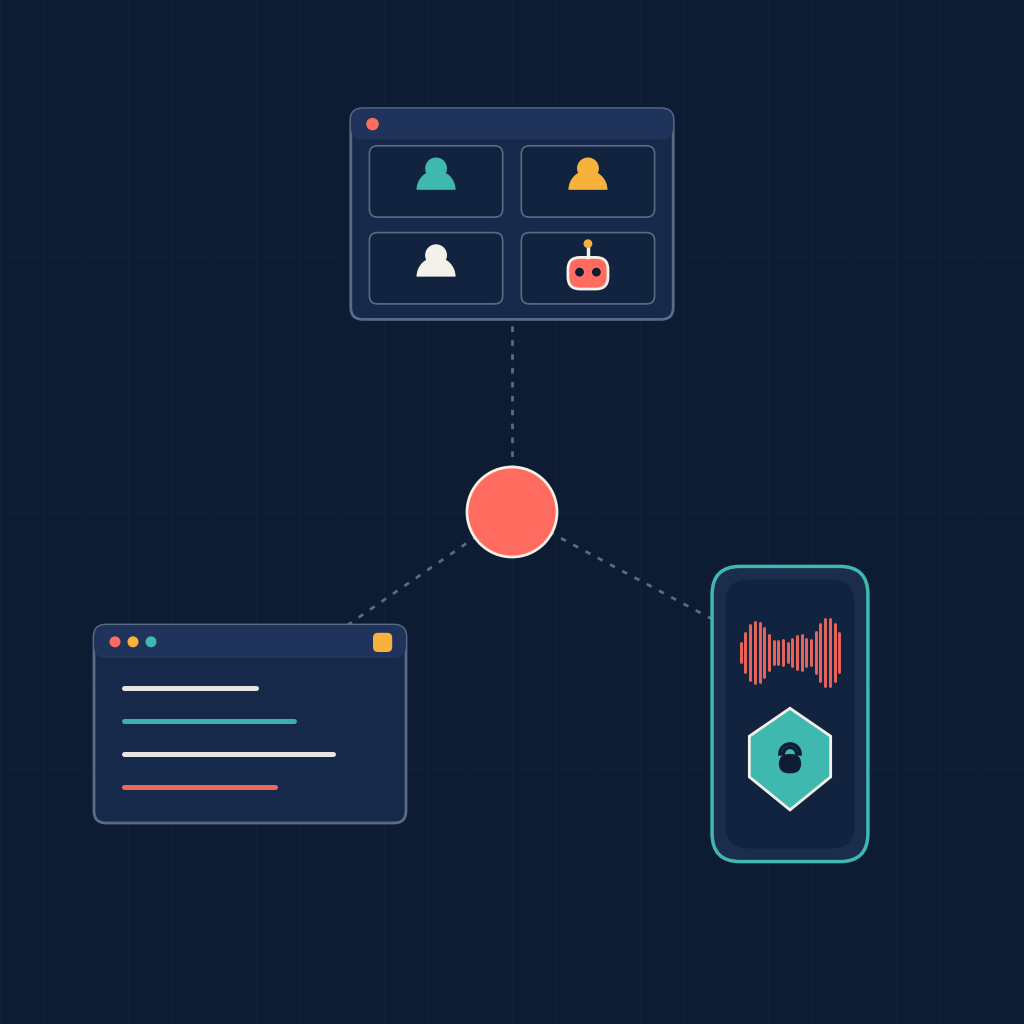
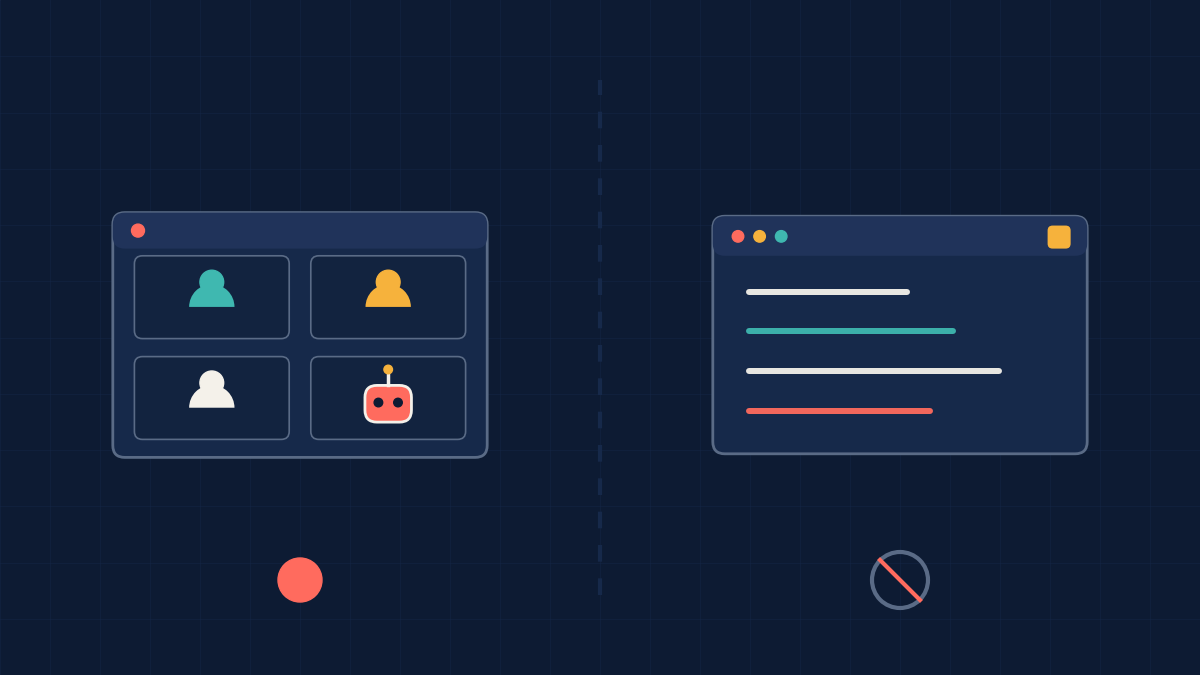
Ask for a free AI note-taker in 2026 and two names come back almost immediately: Fathom and Tactiq. What rarely comes back is how differently they work. Fathom sends a visible bot into your Zoom, Meet, or Teams call and records everything — audio, video, the lot. Tactiq is a browser extension that reads the live captions off your screen and never touches the audio at all. Same promise, opposite mechanics.
AmyNote approaches the problem from a third direction: a phone app that records the conversation around you or on a call, with no bot in the participant list, no browser dependency, and transcripts stored locally instead of in a vendor's cloud. The capture method is the real decision here, because it determines which meetings you can record, who sees that you are recording, what the free plan actually includes, and where your data ends up.
Quick Verdict
Fathom is the best free option for teams that live in scheduled video calls and do not mind a recording bot appearing in the participant list. Unlimited recordings and transcripts on the free plan — but AI summaries are now capped at 5 per month.
Tactiq is the lightest-touch option: no bot, no audio recording, just captions turned into a transcript. Great for quick browser meetings, useless the moment a conversation happens outside a browser tab.
AmyNote is the pick when your conversations do not happen in a browser at all. In-person meetings, phone calls, and multilingual conversations get captured from the phone in your pocket, with transcripts stored locally.
If your work is 100 percent scheduled video calls, start with Fathom. If you just want text from your Google Meet tab, Tactiq is the fastest path. If your week includes rooms, calls, and travel, AmyNote covers the meetings the other two cannot see.
What We Compared
All three tools promise the same output: a searchable transcript and an AI summary you did not have to write. What differs is the capture method, and that decides everything downstream. A bot can replay video but announces itself to the room. A caption reader is invisible but has no audio to fall back on. A phone app follows you anywhere but gives up the desktop conveniences. Details below were verified against vendor pages and current reviews as of August 2026.
Fathom: Free Cloud Bot
Fathom built its reputation on a genuinely unlimited free recording plan, and the market has rewarded it: a near-perfect G2 rating across more than 6,500 reviews and a spot in G2's 2026 Best Software Top 100.
Strengths:
- Unlimited free recording and transcription. The free plan has no cap on the number of meetings recorded or transcribed. That is still the most generous entry point in the category.
- Full audio and video capture. Because a bot joins the call and records, you can replay any moment, clip highlights, and verify exactly what was said — something neither of the other two offers in the same way.
- Fast, polished summaries. Summaries arrive about 30 seconds after the call ends. Paid tiers add CRM sync, coaching metrics, and team libraries: Premium is $16 per user per month billed annually ($20 monthly), Team Edition $15, Business $25.
- 28 languages for transcription, which covers most Western business contexts.
Weaknesses:
- The free plan now caps AI summaries at 5 per month. Recordings stay unlimited, but after five summaries you are reading raw transcripts or paying up. This 2026 change surprised long-time users.
- The bot is visible to everyone. Fathom joins the call as a participant. In sales calls, interviews, and sensitive conversations, that changes the room.
- Scheduled video calls only. Fathom cannot capture an in-person conversation, a hallway discussion, or a phone call.
- 28 languages trails the field, and reviewers note accuracy drops with strong accents.
Tactiq: Browser Caption Reader
Tactiq takes the opposite approach to capture: a Chrome or Edge extension reads the live captions that Google Meet, Zoom web, or Teams already generate, and saves them as a transcript with AI summaries on top. There is no audio pipeline because Tactiq never touches audio.
Strengths:
- No bot and no recording. Nothing joins the call and no audio is stored. For meetings where a recording bot would be awkward, captions-only capture is the least invasive option on the market.
- Cheap paid tier. Pro is $8 per user per month billed annually ($12 monthly) and lifts the transcript cap entirely. The Team plan at about $17 unlocks unlimited AI credits.
- 60+ languages supported for caption transcription.
- Instant setup. Install the extension and your next browser meeting is captured. No admin approval, no calendar integration required.
Weaknesses:
- There is no audio, ever. If the captions glitch, mishear a name, or drop a sentence, there is nothing to go back and check. Whatever the caption engine misheard is what you keep.
- Browser meetings only. The desktop Zoom app, phone calls, and in-person conversations are all invisible to it.
- The free plan is tight. 10 transcripts and 5 AI credits per month runs out fast, and even Pro only includes 10 AI credits.
AmyNote: Mobile Bot-Free
AmyNote is a phone app: open it, press record, and it captures the conversation around you or on the call — no bot and no browser involved. It is built for exactly the meetings where bot-based and caption-based tools go blind.
Strengths:
- Captures meetings the other two cannot. In-person client meetings, site visits, interviews, and phone calls never touch a browser tab or a video-call calendar.
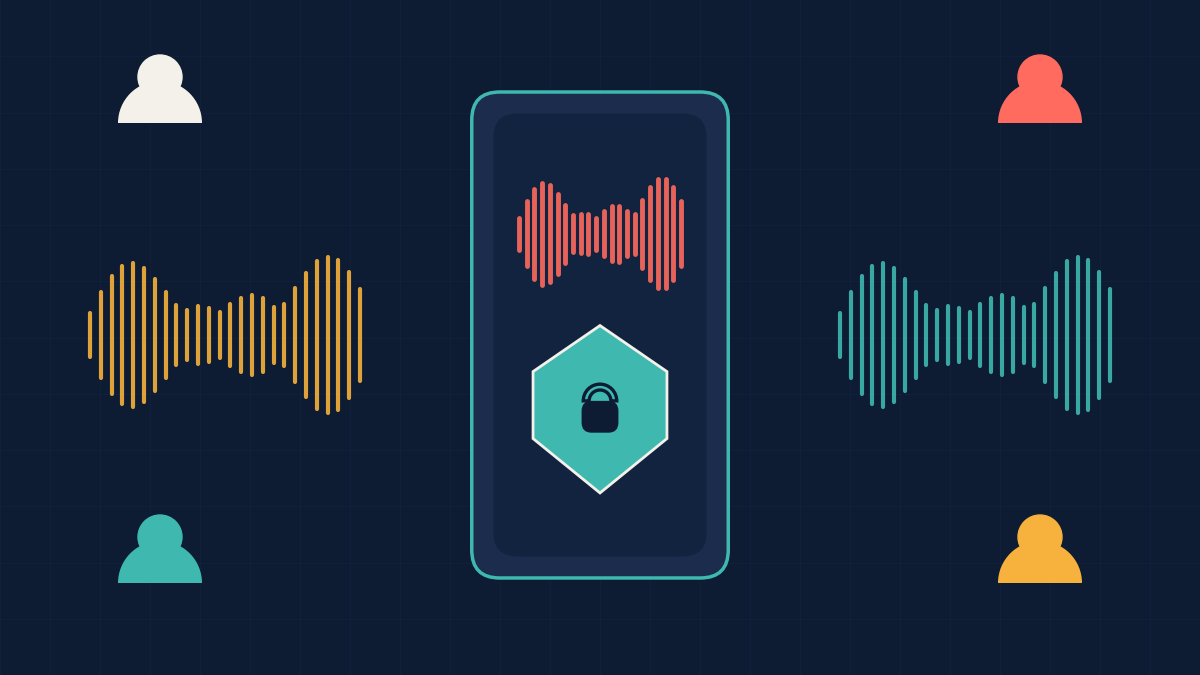
- Privacy architecture. Transcription runs through OpenAI's Speech API and analysis through Anthropic's Claude Opus; both providers contractually guarantee zero training on user data. Audio is encrypted in transit and not retained after processing. Transcripts are stored locally on your device with end-to-end encryption, not in a cloud archive.
- 120+ languages with real-time translation — well beyond Fathom's 28 and Tactiq's 60+ — plus cross-session speaker identification that remembers voices from meeting to meeting.
- Simple pricing. No minute tiers or AI credits to arbitrate, and a 3-day free trial with no credit card.
Weaknesses (honest):
- No desktop app. AmyNote is mobile-first. If you want a native desktop recorder for back-to-back Zoom days, Fathom fits that shape better.
- No video and no clips. There is no recording bot, so there is no video library or highlight reel.
- No CRM integrations or team workspace yet, and the brand is far smaller than Fathom's 6,500-review footprint.
Side-by-Side Comparison
- Capture method: Fathom sends a bot into the call. Tactiq reads browser captions. AmyNote records from the phone.
- Free plan: Fathom unlimited recordings but 5 AI summaries per month. Tactiq 10 transcripts and 5 AI credits per month. AmyNote 3-day full trial.
- Paid entry: Fathom Premium $16 per user per month annual. Tactiq Pro $8 per user per month annual. AmyNote flat subscription after trial.
- In-person and phone calls: Fathom no. Tactiq no. AmyNote yes.
- Replayable audio: Fathom yes. Tactiq no. AmyNote yes.
- Languages: Fathom 28. Tactiq 60+. AmyNote 120+ with live translation.
- Data location: Fathom and Tactiq store transcripts in their cloud. AmyNote stores them locally with end-to-end encryption.
The Bottom Line
Free is not one thing in this market. Fathom's free plan is unlimited at the recording layer and capped at the intelligence layer. Tactiq's is capped at both, but its paid tier is the cheapest here. AmyNote does not compete on free at all; it competes on covering the conversations the other two structurally cannot reach, and on keeping what it captures on your device.
Choose by where your conversations actually happen. If they are on a calendar with a video link, Fathom's bot will serve you well. If they live in a browser tab and you only need text, Tactiq is the lightest tool that works. If they happen in rooms, on phones, and across languages — and you would rather your transcripts never sit in a vendor's cloud — AmyNote at amynote.app is built for exactly that, and the 3-day trial with no credit card makes the test cheap.
Originally published as an X Article by @AmyNoteApp.