A sales rep finishes a 45-minute discovery call with a promising prospect. They mentioned a Q3 budget review, a pain point with their current vendor's onboarding process, and the CFO's name — the person who actually signs off on purchases. The rep hangs up, opens their CRM, and types: "Good call. Interested in our platform. Follow up next week."
That is not a note. That is a revenue leak.
Discovery calls are the most information-dense conversations in sales. They are also the most poorly documented. Here is why it matters and what to do about it.
The Discovery Call Documentation Problem
The average B2B discovery call surfaces 15-20 actionable data points: budget signals, decision-maker names, competitive mentions, timeline constraints, technical requirements, and objections. Research shows reps retain roughly 30% of what they hear on a call. The rest vanishes.
The damage compounds across the deal cycle:
- Lost buying signals. The prospect mentioned their contract with Competitor X expires in September. Nobody wrote it down. The follow-up email misses the urgency window.
- Incomplete handoffs. When the deal moves from SDR to AE, the context shrinks to whatever fit in a CRM text field. The AE asks the prospect to repeat themselves. Trust drops.
- Forecasting blind spots. Pipeline reviews rely on rep summaries, not what prospects actually said. Managers coach on feelings, not data.
The real cost is not just one missed detail. It is the cumulative erosion of deal intelligence across every call, every rep, every quarter.
Why Manual Notes and Generic Tools Fall Short
Most sales teams try one of these approaches — and all of them leak information:
- Handwritten notes during the call. The rep splits attention between listening and writing. They capture fragments, miss nuance, and the notes are unsearchable afterward.
- Post-call CRM updates. Done 30 minutes to 2 hours later, after memory has already decayed. Studies on recall show the sharpest drop happens in the first 20 minutes.
- Screen-recording tools built for video calls. They work for Zoom. They do not work for phone calls, in-person meetings, or the prospect lunch where the real objections come out.
- Generic transcription apps. They capture words but do not understand sales context. "We are looking at Q3" means nothing without knowing who said it and what they were responding to.
The gap is not transcription. It is structured intelligence extraction from unstructured conversation.
Before and After: Discovery Call Documentation
| Manual Notes | AI-Powered Notes | |
|---|---|---|
| Data points captured | 4-6 per call | 15-20 per call |
| Time to CRM update | 30-120 min post-call | Immediate |
| Stakeholder attribution | Rarely tracked | Automatic per speaker |
| Competitive mentions | Often forgotten | Categorized and tagged |
| Searchability | None | Natural language queries |
| Handoff quality | One-paragraph summary | Full structured intelligence |
What Happens When AI Handles Discovery Call Notes
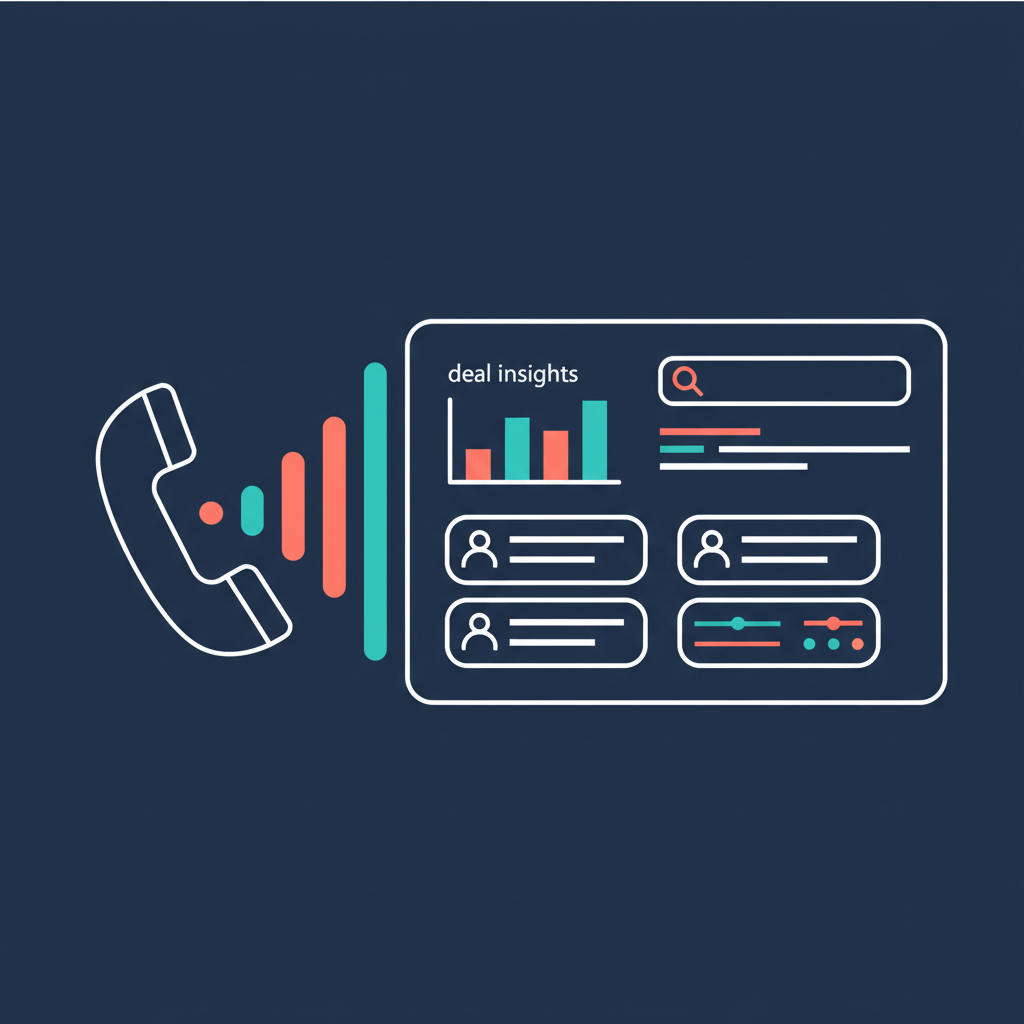
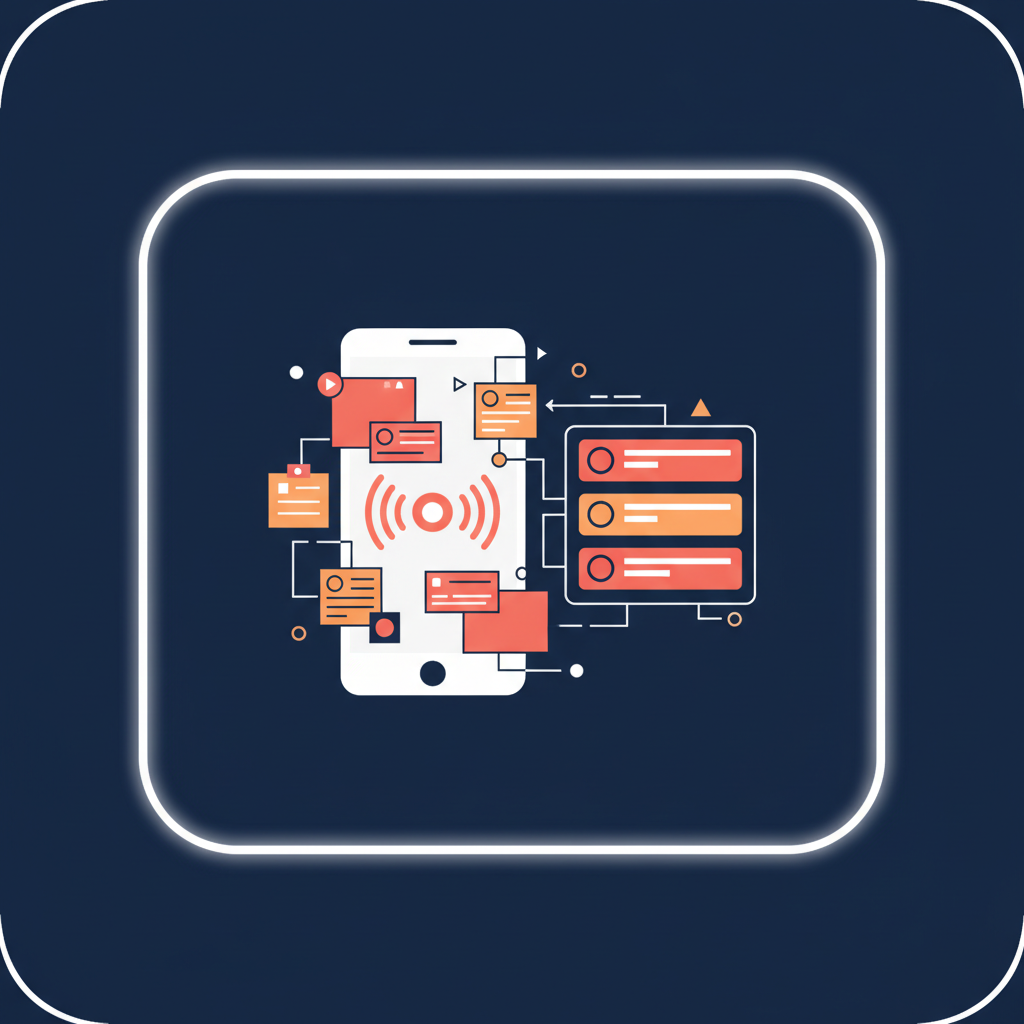
AmyNote approaches this differently. Record the discovery call on your phone — whether it is a phone call, video meeting, or in-person conversation. The transcription runs through OpenAI's Speech API, which handles sales terminology, company names, and technical jargon with high accuracy. Then Anthropic's Claude Opus analyzes the full transcript and extracts structured intelligence.
What you get back is not a wall of text. It is organized output:
- Key stakeholders mentioned — names, roles, and what they care about
- Budget and timeline signals — specific quotes with timestamps
- Pain points and objections — categorized and prioritized
- Competitive mentions — what they said about other vendors
- Action items — what you promised, what they promised, deadlines
Speaker identification tracks who said what across the conversation. When the prospect says "our VP of Engineering needs to sign off," that attribution stays attached to the insight. Across multiple calls with the same prospect, AmyNote remembers speaker voices — so your second call picks up context from the first.
Choosing the Right Tool for Sales Teams
Not every AI note-taking tool works for sales. Here is what to evaluate:
- Works beyond video calls. Phone calls, in-person meetings, lunch conversations — your tool should capture everything, not just screen-shared Zoom sessions.
- Speaker identification. Knowing who said what is the difference between a transcript and deal intelligence. Cross-session speaker memory is even better.
- Structured extraction. Raw transcription is not enough. The tool should categorize stakeholders, objections, competitive mentions, and action items automatically.
- Privacy and data security. Your prospect's pricing discussions and competitive intelligence should not sit on a third-party server or train someone else's model.
- Searchable history. Three months into a deal, you need to find what the prospect said about their timeline in the first call. Natural language search across all past conversations makes this instant.
Privacy matters in sales too. Both OpenAI and Anthropic contractually guarantee zero training on user data. Audio is encrypted in transit; processing copies may be retained to deliver and recover requested features. Transcripts stay on your device with encrypted transport. Your prospect's pricing discussions and competitive intelligence never sit on a third-party server.
The Revenue Impact
The math is straightforward. If each discovery call leaks 10-15 data points, and your team runs 20 calls a week, that is 200-300 lost insights per week. Some of those insights are the buying signals that determine whether a deal advances or stalls.
Better discovery documentation does not just help reps close faster. It gives managers real data for pipeline reviews. It makes handoffs seamless. It turns every conversation into a searchable knowledge base that compounds over time.
The difference between a rep who captures everything and one who captures fragments is not talent — it is tooling.
Originally published as an X Article.