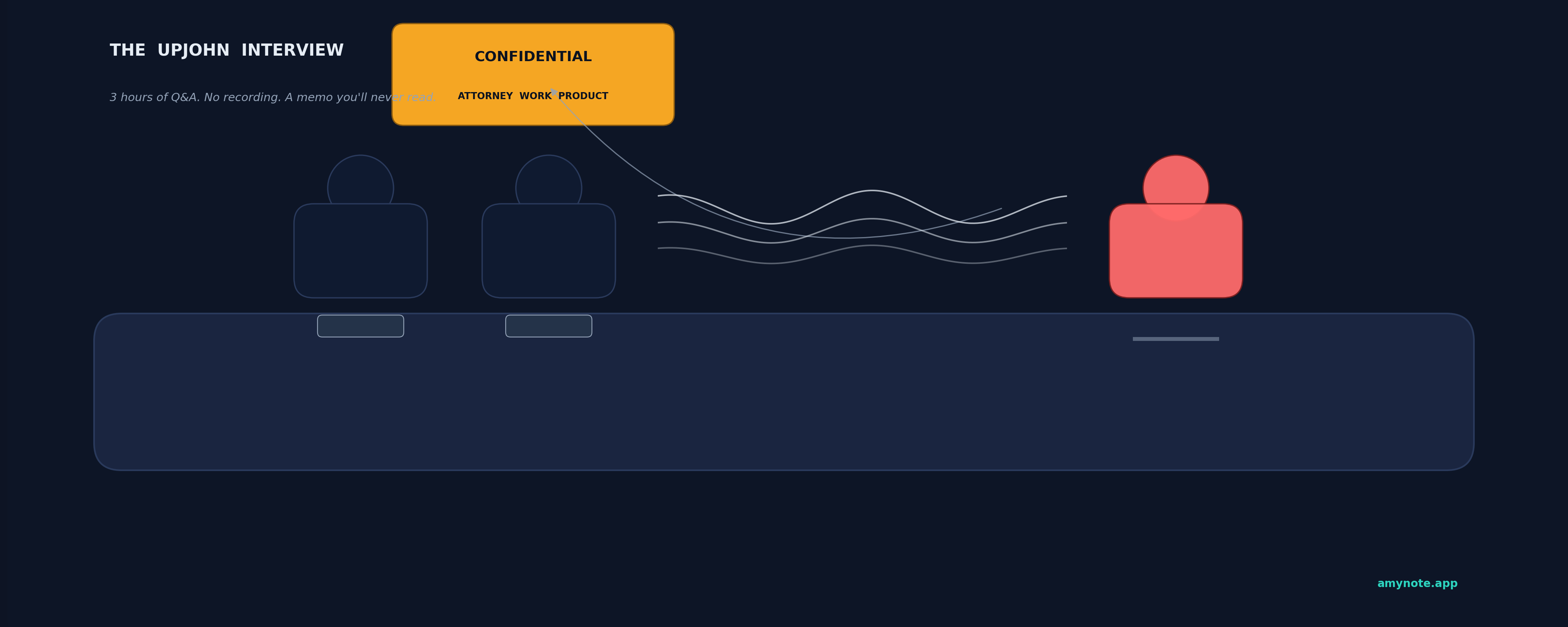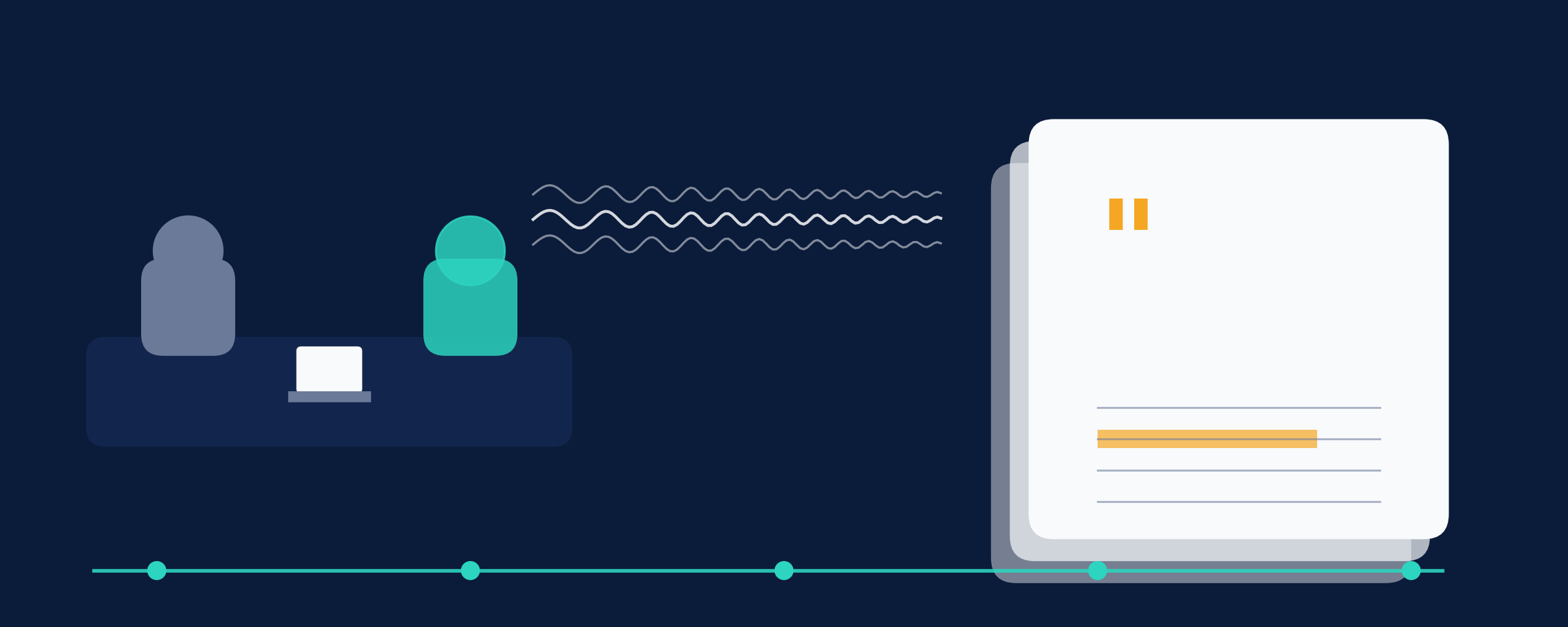
The inspector closes her laptop at 5:47 PM after almost three hours of questions about your Q3 revenue-recognition workpapers. You walk her out, grab a coffee, and by the elevator you already cannot remember whether you said the top-side journal entry was tested at 100 percent or on a sample basis. Ninety-one days later the draft Part I finding quotes you from her notes, and the quote is not quite what you meant. The window to respond opens at thirty days, and the arithmetic of the answer is entirely one-sided.
The Problem
PCAOB Part 4000 inspections turn on a room without a court reporter. Under the inspection procedures for registered public accounting firms, an inspector interviews the engagement partner, the concurring partner, the manager, and often the specialist. Those conversations are not recorded and not transcribed. The inspector takes handwritten or laptop notes, and those notes become the internal record that drives every downstream document: the draft comment form, the Part I audit deficiency writeup, the Part II quality control criticism, and the firm-level trend commentary that the Board publishes each year.
The record that matters is the inspector's synthesis, not the words the partner actually said. When the draft inspection report arrives, Part I audit deficiencies and Part II quality control criticisms cite conversations from ninety to one hundred and fifty days earlier. The engagement partner has to reconstruct what the audit team actually concluded, why the professional judgment was reasonable under AS 2810, and whether the workpaper documentation kept pace with the reasoning explained in the room.
Firms then face a thirty-day response window that combines a technical rebuttal, a remediation plan, and a personnel narrative. The partner is asked to attest to statements no one can quote back. Firm counsel, the National Office quality group, and the concurring partner all draft against a paper record that only the PCAOB owns. The interview is the evidence, and no one owns the evidence.
Why Current Solutions Fail
Concurrent handwritten notes by an accompanying partner sound useful and never work. The note-taker cannot follow inspector body language, catch the phrasing of a hypothetical, and write full sentences at the same time. Audit firms already know this from a decade of trying: the note-taker's file is always thinner than the inspector's, always missing the specific phrasing that turns a professional-judgment defense into a documentation-quality finding.
The other habit is a debrief memo written the same evening. Debrief memos capture the partner's version of the conversation, not the inspector's. When the draft report cites a phrase the partner does not remember using, the debrief cannot rebut it. Firm counsel then has to argue interpretation, not fact. That is the losing side of the argument — every experienced audit-quality lawyer will confirm that arguments about what "the partner really meant" lose to a contemporaneous inspector note virtually every time.
A junior staffer taking laptop notes for the partner runs into a different problem: the staffer does not have the seniority to distinguish a rhetorical question from a testing conclusion, does not know which reference to AS 2810 is a professional-judgment defense versus a documentation admission, and cannot ask the partner clarifying questions in real time. The record ends up more accurate than the debrief memo but still not a verbatim account.
What A Formal Part I Response Actually Turns On
The Board evaluates a Part I response on two things: whether the workpaper documentation on file supports the professional judgment described in the interview, and whether the firm's account of that judgment is consistent between the interview and the written record. A response that reads "the engagement team performed and documented sufficient procedures" against an inspector's note that reads "the partner acknowledged that testing was limited to inquiry" does not survive the drafting session.
A response that reads "at the interview, the engagement partner explained — and the contemporaneous transcript at page 47 lines 12 through 24 confirms — that substantive procedures were performed and documented in workpaper reference 3.2.1" does. The engagement team can trace the exact clinical language the partner used, cross-reference it with the workpaper file, and produce a response that argues fact against fact rather than memory against notes.
What Actually Works
Capture the full audio of the interview and hold a searchable transcript from the moment the door closes. With the engagement team's consent and the firm's counsel signoff on the workflow, a partner can run AmyNote on a laptop or phone in the room. AmyNote uses the OpenAI Speech API for high-accuracy multi-speaker transcription and Anthropic Claude Opus for structured summaries. The transcript is timestamped, the summary is written against your audit lexicon, and both are ready before the coffee is cold.
Every subsequent step gets faster and more defensible. The concurring partner reviews the transcript for accuracy that same night, before memory fades. The National Office quality team can pull the exact question and the exact answer when the draft Part I finding arrives ninety days later. The response committee stops arguing about what the partner meant and starts citing verbatim testimony against the inspector's paraphrase. The firm's internal quality file becomes an actual defensible record instead of a chain of paraphrases.
Privacy is a boundary condition, not a footnote. Both OpenAI and Anthropic contractually guarantee zero training on user data. Audio is encrypted in transit and is not retained after processing. Transcripts are stored locally on the device with end-to-end encryption. That posture is compatible with firm independence rules, client confidentiality obligations under AICPA ET 1.700, and internal information barriers around inspection material. It is also compatible with a firm's information security team, which will typically require exactly this posture before approving any recording workflow for regulator-facing meetings.
The gap closes when the firm owns the words. A partner who can quote the transcript at page and line is not arguing memory against notes. Draft Part I comments get withdrawn faster. Part II observations get narrowed. Remediation plans stop citing hypothetical process failures and start citing documented behavior. The remediation dialogue with the Board's inspection team becomes a real conversation grounded in evidence, not a slow-motion litigation over what the partner supposedly said.
State And Firm Policy Considerations
PCAOB Part 4000 inspection interviews take place in the firm's offices with the firm's consent. Recording an interview is not prohibited by the Board's rules, but it is subject to the firm's own information security and personnel policies, and in some jurisdictions to state recording-consent statutes. The workflow starts with the firm's General Counsel and the National Office quality partner signing off on the recording policy before the next inspection cycle opens, not on the morning of the first partner interview.
Where the firm's policy permits, the engagement partner discloses the recording to the inspection team at the start of the interview and confirms the inspection team's consent on the record. Where a specific inspector declines, the firm defaults to the accompanying-partner note-taker and a same-day debrief memo, and documents the refusal. Either way, the workflow reduces the fog: at worst, the firm has a well-documented refusal; at best, the firm has a verbatim transcript that turns every downstream response into a fact-based exercise.
The Documentation Pattern That Holds Up At Draft-Report Stage
- The interview is captured contemporaneously. Recorded on a firm-controlled device in the room, in the moment, with the recording started before the first question and stopped after the last.
- The transcript is searchable by audit term. Every mention of the client name, the workpaper reference, the AS citation, the testing method, and the materiality threshold is retrievable in seconds when the draft Part I finding lands months later.
- The recording lives under firm control. Not on the PCAOB's server, not on a vendor's cloud storage where an inspection-material subpoena can pull it without the firm's knowledge. Local storage on a firm-controlled device with end-to-end encryption is the only posture that survives contested discovery cleanly.
- Firm counsel signs off first. Recording policy, state consent, information security, and personnel policy all reviewed and approved before the workflow is deployed. Not the morning of the interview.
Getting Started
Install AmyNote on the engagement partner's phone and firm laptop before the next inspection cycle opens. Pilot it on one internal quality-review interview so the partner is fluent with the workflow before the PCAOB inspector arrives. When the inspection team schedules the first partner interview, start the capture at the greeting, keep it running through the closing, and route the transcript to the National Office and firm counsel the same evening. The next Part I response you write will be shorter, sharper, and built on evidence rather than recall.
The draft Part I finding will still arrive at ninety-one days. That is not going to change. What changes is whether the response is written from the partner's memory of a three-hour conversation ninety-one days ago, or from a timestamped verbatim transcript stored on a firm-controlled device with end-to-end encryption. In audit-quality defense, that is often the difference between a Part I audit deficiency that gets withdrawn and one that carries into the firm's Part II quality control criticism the following year.
Originally published as an X Article.